

You catch your reflection after a shower and notice your skin feels different. Maybe your cheeks look duller than usual, your upper arms feel bumpier, or the skin across your bump suddenly seems tighter, itchier, and less smooth. That can be unsettling, especially when every bit of skincare advice seems to swing between “use nothing” and “use this miracle product”.
The truth sits somewhere much calmer in the middle. Pregnancy can change skin texture in very real ways, but that doesn't mean you have to just put up with it. You can support smoother, more comfortable skin with a routine that's gentle, practical, and pregnancy-safe.
Table of Contents
- Your Guide to Pregnancy-Safe Skin Texture Improvement
- Why Your Skin Texture Changes During Pregnancy
- A Simple Skincare Routine for Smoother Skin
- Safe Actives and Ingredients to Avoid
- Lifestyle Habits for Glowing Pregnancy Skin
- Frequently Asked Questions for Expectant Mums
Your Guide to Pregnancy-Safe Skin Texture Improvement
Common advice for how to improve skin texture is often generalized. Strong retinoids. Aggressive peels. Quick-fix language. Pregnancy changes that conversation because safety matters just as much as results.
That doesn't mean you need to avoid all active skincare. It means you need better filters. The useful questions are simple. What's making your skin feel rough, dry, bumpy, or stretched right now? Which ingredients are considered compatible with pregnancy? And how do you build a routine you'll keep up with when you're tired?
For most expectant mums, skin texture concerns fall into a few familiar groups:
- Dry, tight skin that feels less supple than normal
- Dullness that makes skin look tired even when you've moisturised
- Bumps or rough patches on the face, arms, or body
- Stretch mark-prone areas where skin is under more tension
- Breakout-related unevenness that leaves the surface less smooth
Pregnancy-safe texture care works best when you focus on three things. Keep the skin barrier comfortable. Use gentle, proven actives instead of harsh ones. Be consistent enough that your skin gets regular support.
A steady routine usually beats an intense one. Skin that's changing quickly often responds better to gentle repetition than to strong treatments.
If you've been told to stop everything and just hope for the best, take that as a sign that the advice was too vague, not that your skin is impossible to help. With the right ingredients and sensible expectations, you can absolutely improve the way your skin looks and feels during pregnancy.
Why Your Skin Texture Changes During Pregnancy
You may wake up one week with skin that feels smooth enough, then notice your cheeks turning papery, your bump feeling tight, or little rough patches showing up where you did not expect them. That shift can feel confusing, especially if your usual products no longer seem to behave the same way.
Pregnancy changes skin texture for a few clear reasons. Hormones affect oil production and water balance. Faster stretching puts certain areas under physical tension. Skin can also become more reactive, so mild dryness or friction feels more noticeable than it used to.

Hormones change more than breakouts
Many expectant mums are warned about pregnancy acne, but hormones can change texture in several directions at once. For some, skin starts producing more oil, which can leave pores feeling fuller and the surface less even. For others, skin loses that comfortable, springy feel and starts looking flaky or tired.
A helpful way to understand this is to picture your skin barrier as a brick wall. The skin cells are the bricks, and the lipids between them act like mortar. When that mortar is disrupted, water escapes more easily and irritants get in more easily. The result can be roughness, tightness, stinging, or a bumpy feel, even if you are not dealing with obvious spots.
If you are unsure whether your skin needs more oil, more water, or both, this guide to dry skin vs dehydrated skin can make that distinction much clearer.
Stretching changes the feel of skin
As your body grows, some areas of skin have to adapt quickly. That stretching can make the surface feel tighter, itchier, and less supple, especially on the abdomen, breasts, hips, and thighs.
This matters for texture because stretched skin often feels different before it looks different. It may seem thinner, slightly crepey, or uneven to the touch. In other words, texture changes are not only about pores or facial dryness. They can also come from the mechanical pull placed on skin as pregnancy progresses.
Sensitivity can make texture feel worse
Pregnancy often lowers your skin's tolerance for products and friction. A cleanser you used for years may suddenly leave your face feeling tight. A scented body lotion may sting. Waistbands, heat, and even frequent rubbing with a towel can leave skin feeling irritated and rough.
That is why safe texture care during pregnancy needs a bit more nuance than standard advice. If skin feels uneven, the answer is not always stronger exfoliation. Quite often, the better first step is calming the barrier so the surface can hold water properly and feel comfortable again.
Rough skin during pregnancy often needs soothing support first. Once the barrier is calmer, gentle actives usually work better and feel better too.
A Simple Skincare Routine for Smoother Skin
You wake up, wash your face, and it still feels a bit rough. By evening, your cheeks look dull, your chin feels bumpy, and the skin on your belly or chest seems tighter than it did last week. That can be confusing, especially when so much pregnancy skincare advice stops at “avoid this” and never explains what to do instead.
A useful routine for texture has a simple job. Keep the skin barrier comfortable, add just enough treatment to smooth the surface, and do it in a way that feels safe and realistic during pregnancy.
If your current products feel like too much, scale back first. Skin usually responds better to a steady routine than to a crowded shelf. This guide to a pregnancy skincare routine can help if you want a broader plan around the steps below.
Your morning routine
Morning care is about setting your skin up for the day. The goal is not to chase instant smoothness. It is to reduce the things that make texture look and feel worse, like dehydration, irritation, and UV exposure.
Start with a gentle cleanse. If your skin has become dry or easily irritated, lukewarm water or a mild cream cleanser may be enough in the morning. Cleansing should leave your skin feeling fresh, not squeaky. If it feels tight straight after washing, that is usually a sign to use less cleansing power, not more.
Next, apply a pregnancy-compatible serum that matches the texture issue you have. Vitamin C can help if your skin looks dull or uneven overall. Niacinamide is often a better fit if your skin feels reactive, looks blotchy, or has a mix of roughness and visible pores. You do not need both at once.
Then use a hydrating moisturiser. A moisturiser works like a light seal over damp skin. It helps keep water where your skin needs it, so rough patches feel softer and fine dehydration lines look less obvious. Creams with a simple, bland formula are often easier to tolerate than heavily fragranced products.
Finish with SPF every morning. Texture work is much harder if sun exposure is adding inflammation and uneven pigmentation at the same time.
A simple morning pattern looks like this:
- Cleanse gently
- Apply one serum, such as vitamin C or niacinamide
- Moisturise
- Use SPF
Your evening routine
Evening is a good time to focus on repair. If you wear makeup or sunscreen, remove that first, then cleanse again only if your skin needs it. Double cleansing can be helpful for some people, but it should still feel gentle.
After cleansing, decide whether your skin needs a treatment night or a recovery night. That distinction matters. If your face feels stingy, flushed, or tight, choose recovery. Go straight to moisturiser. If your skin feels comfortable and your main concern is roughness or dull buildup, you can use a mild active a few nights a week.
Good pregnancy-safe texture options often include lactic acid or a low-strength glycolic acid product. These work by loosening the bonds between older surface cells so skin feels smoother over time. A low-strength formula is usually more forgiving than a strong peel, which is exactly the kind of nuance many pregnancy guides skip.
Then apply a richer moisturiser, body butter, or oil anywhere skin feels dry, stretched, or uneven to the touch. Daily body care can make a real difference here. Massage also helps slow you down and notice what your skin is asking for, whether that is more moisture, less friction, or fewer active nights.
Your weekly texture reset
You do not need a dramatic weekly treatment. One small adjustment is usually enough.
Choose one of these once or twice a week:
- Use a gentle exfoliating product on a night when your skin feels comfortable and looks dull.
- Apply a thicker layer of moisturiser overnight if your skin feels rough, tight, or a bit crepey.
- Massage oil or butter into the belly, breasts, hips, or thighs if those areas feel stretched and less supple.
That rhythm keeps things manageable:
- Most mornings: Cleanse, serum, moisturiser, SPF
- Most evenings: Cleanse, moisturiser or body butter
- A few evenings a week: Add one gentle active, if your skin is tolerating it well
Here's a visual walk-through if you like seeing routines in action before trying them yourself.
The kindest approach is also the most effective one. Add one product at a time, give it a couple of weeks, and let your skin show you whether it feels calmer, softer, and smoother.
Safe Actives and Ingredients to Avoid
Many pregnant women encounter mixed messages. One guide says all acids are off-limits. Another says everything topical is fine. Neither extreme is very helpful.
Why the acid conversation gets confusing
There's a difference between a strong ingredient category and a safe, low-dose version of that category. That's why blanket advice often causes more stress than clarity.
Cosmopolitan's review of pregnancy-safe skincare ingredients notes that pregnancy-safe formulations increasingly rely on ingredients such as glycolic acid, lactic acid, vitamin C, niacinamide, and azelaic acid to improve texture. It also states that dermatologists recommend keeping salicylic acid under 2% during pregnancy, while glycolic and lactic acids are generally considered safe and effective options.
A separate dermatologist-led discussion also notes that low-dose glycolic acid under 10% and light AHA peels are pregnancy-safe and effective for texture improvement. That nuance matters. “Acids” is too broad a warning to be useful.
Practical rule: Don't judge a product by one buzzword on the front. Check the specific ingredient and, where relevant, the strength.
Pregnancy skincare ingredients cheat sheet
| Ingredient | Verdict | What It Does For Texture |
|---|---|---|
| Glycolic acid under 10% | Generally pregnancy-safe | Exfoliates surface build-up and helps skin feel smoother |
| Lactic acid | Generally pregnancy-safe | Gently exfoliates and can suit dry or dull skin |
| Vitamin C | Generally pregnancy-safe | Brightens and helps skin look more even |
| Niacinamide | Generally pregnancy-safe | Supports the barrier and helps with uneven, reactive skin |
| Azelaic acid | Generally pregnancy-safe | Helpful for uneven texture and blemish-prone skin |
| Hyaluronic acid | Generally pregnancy-safe | Draws in hydration so skin feels plumper and less rough |
| Retinoids including retinol | Pause during pregnancy | Commonly avoided in pregnancy skincare |
| Hydroquinone | Avoid or use sparingly only with medical guidance | Not a first-choice ingredient in pregnancy |
| High-strength salicylic acid | Avoid | Stronger doses are not the same as low-dose use |
One useful internal explainer if you're comparing exfoliating options is this guide to poly hydroxy acids, which can help if your skin has become more delicate than usual.
How to read labels without panicking
You don't need to memorise every ingredient ever made. You only need a calm screening process.
Look at the active ingredients first. If you see retinoids, pause the product. If you see glycolic or lactic acid, check whether it's being used as a mild exfoliant rather than part of a harsh peel system. If you see salicylic acid, the concentration matters.
Then think about your current skin state. A safe ingredient can still be the wrong choice if your barrier is irritated. Pregnancy skincare works best when you combine ingredient safety with barrier awareness.
Use this quick filter:
- Keep it if the formula is gentle, clearly targeted, and your skin feels comfortable using it.
- Pause it if it contains retinoids or leaves your skin stingy and inflamed.
- Ask a professional if you're dealing with severe acne, persistent irritation, or you're unsure about a treatment product.
Lifestyle Habits for Glowing Pregnancy Skin
You follow your routine, use the right products, and your skin still feels a bit rough or looks dull by the end of the week. That can be frustrating, especially during pregnancy, when your skin may be more reactive and less predictable than usual.
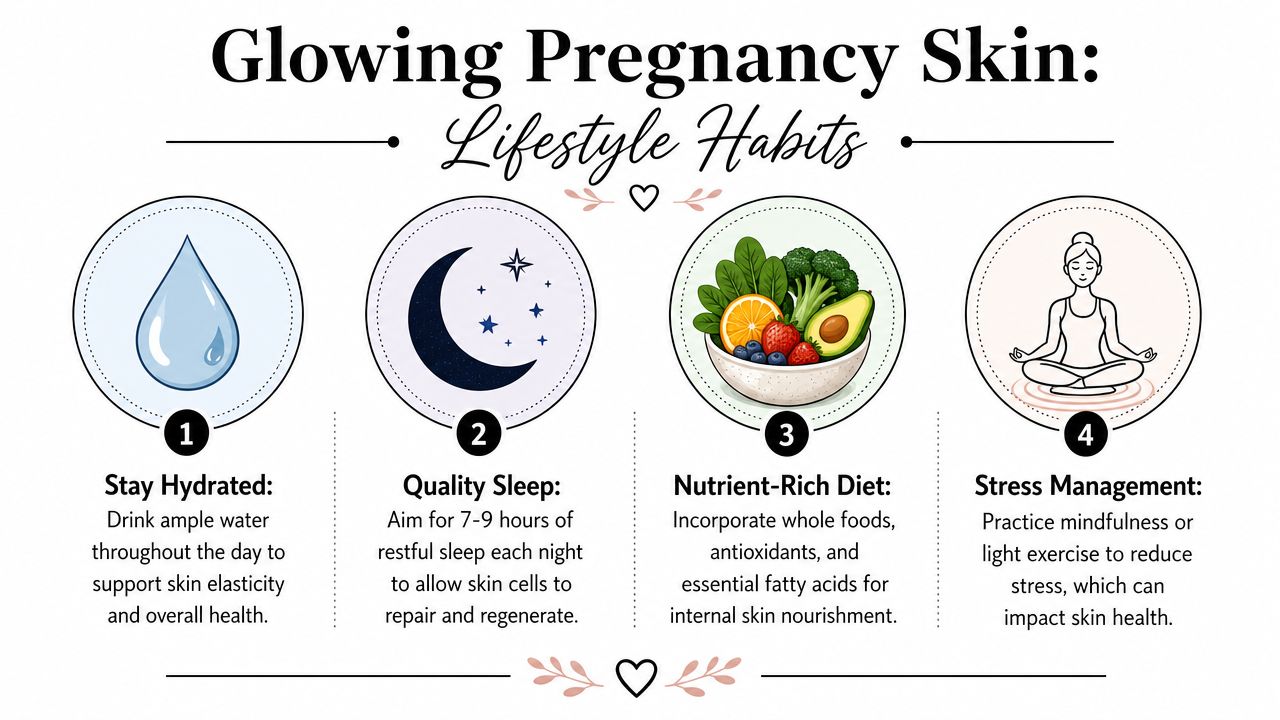
Skin texture is shaped by more than skincare. Your routine works on the surface. Daily habits support the conditions underneath, such as hydration, recovery, and comfort, which can make skin feel softer and look more settled.
Daily habits that support skin from the inside
Start with the habits that reduce strain on the skin.
Hydration helps skin feel less tight and rough, particularly if pregnancy has made your skin drier than usual. Regular meals matter too. Skin cells need a steady supply of nutrients, and long gaps without eating can leave you feeling run down, which often shows in the skin.
Sleep also affects texture, even if pregnancy sleep is broken. A full night is not always realistic, so aim for rest where you can get it. Gentle movement can help as well. A short walk or some light stretching supports circulation and can reduce that puffy, sluggish feeling many women notice in pregnancy.
A simple way to think about it is this: skincare is your top layer of support. Lifestyle habits are the foundation underneath. If the foundation is shaky, the surface usually shows it first.
Massage as a texture ritual
Body texture often changes during pregnancy because the skin is stretching quickly, becoming drier, or feeling itchier. This is why a short massage routine can be so helpful. It combines moisturising with touch, which helps you apply product evenly and pay attention to areas that feel tight before they become more uncomfortable.
You do not need a long ritual. Two or three calm minutes after a shower is enough for many women.
Try this approach:
- Warm the product in your hands first: This helps oils or balms spread more gently across sensitive skin.
- Use light, steady strokes: Pressure does not need to be firm. Gentle application is usually more comfortable and easier to keep up daily.
- Focus on areas that feel tight: Common spots include the bump, hips, thighs, breasts, and lower back.
- Choose simple formulas: Fragrance-free oils, creams, or butters are often easier for reactive pregnancy skin to tolerate.
Massage works a bit like smoothing conditioner through dry hair. The product matters, but the way you apply it also helps distribute moisture where it is needed most.
Consistency matters more than intensity. A brief daily massage with a bland, pregnancy-compatible moisturiser is usually more useful than an occasional, complicated body routine.
Frequently Asked Questions for Expectant Mums
Is it safe to get a facial during pregnancy
Often, yes, but the details matter. A gentle facial focused on cleansing, hydration, and soothing massage is usually a better fit than anything aggressive. Tell the therapist you're pregnant before treatment and ask exactly which actives they plan to use.
Treatments built around strong retinoids, harsh peels, or anything that leaves your skin highly inflamed are worth avoiding unless your own clinician has advised otherwise.
Will my skin texture go back to normal after birth
Sometimes it does, and sometimes it changes in stages. Hormones shift again after delivery, and the postpartum period has its own texture concerns. According to a Boots dermatological skincare review on pregnancy skin issues, over 60% of new mums report concerns about “dull, uneven texture” postpartum, yet 85% of pregnancy skincare guides stop recommending new routines after birth.
That gap explains why many women feel unsupported once the baby arrives. If your skin feels looser, duller, or less even after birth, you're not imagining it. Gentle moisturising, steady SPF, and a gradual return to texture-supporting actives that suit your stage can help.
How can I safely manage pregnancy acne
Keep the routine calm. Use a gentle cleanser, a moisturiser that doesn't leave your skin tight, and one pregnancy-compatible active rather than layering several acne products at once. Low-dose acids, azelaic acid, and niacinamide are often the kinds of options people discuss with their clinician because they can help without relying on retinoids.
If your acne is painful, widespread, or suddenly much worse than usual, it's a good time to speak with a GP, midwife, or dermatologist. Pregnancy acne can be emotional as well as physical, and you deserve support that feels specific to you.
What if my skin is rough on my body, not my face
That's extremely common in pregnancy. Body texture issues often respond best to a mix of gentle cleansing, daily moisturising, and consistent massage over areas under tension. Roughness on the bump, breasts, thighs, and hips usually needs softness and barrier support more than “deep exfoliation”.
Should I stop all actives just to be safe
Not necessarily. The safer and more useful approach is to stop the ingredients that are commonly avoided in pregnancy and keep the ones considered compatible and gentle for your skin. Fear-based skincare often leaves women doing less than they need, while discomfort builds.
If you remember one thing, let it be this. Pregnancy-safe skincare can still be active skincare. It just needs to be thoughtful.
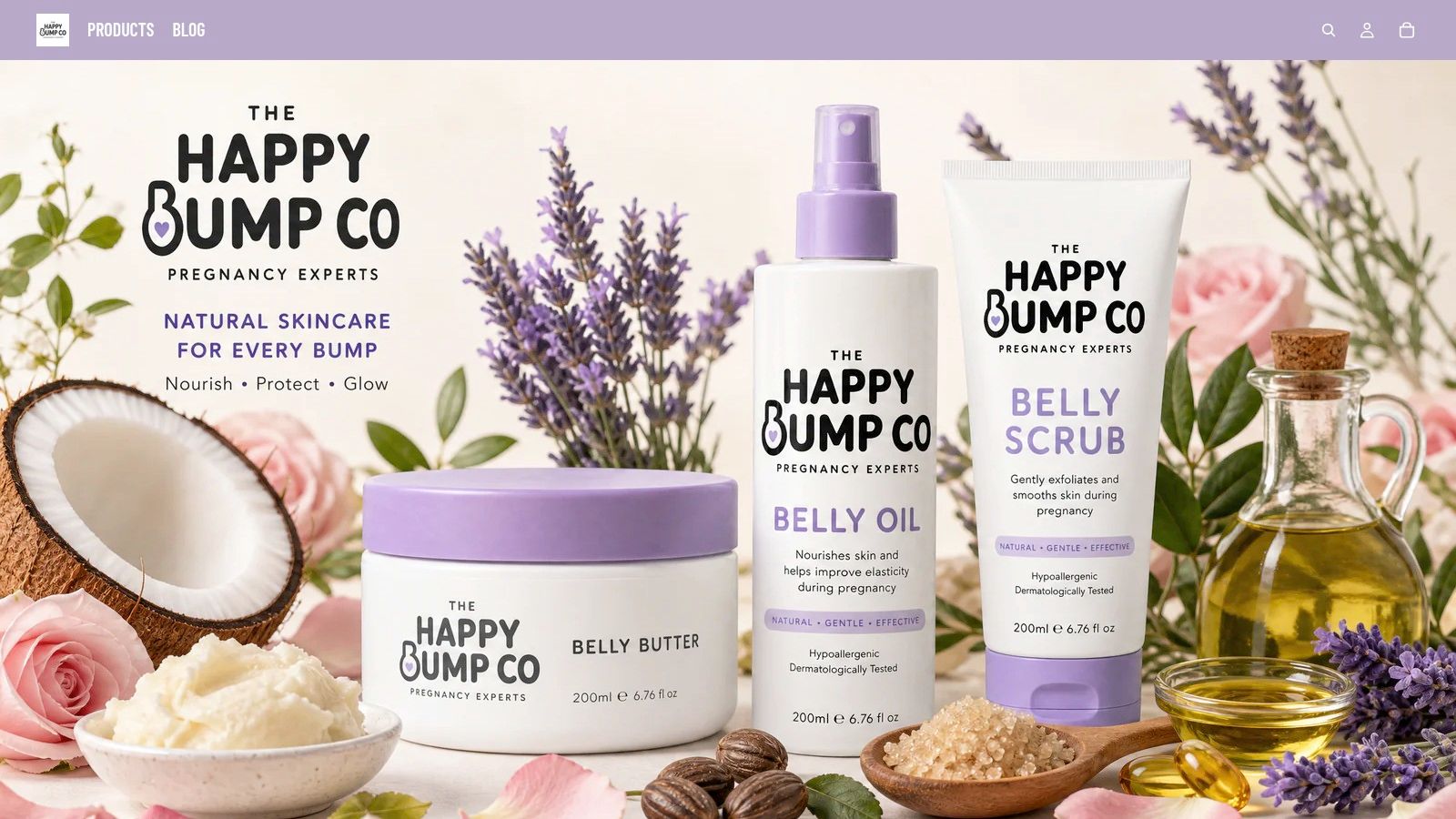
If you'd like bump-focused products that fit into a gentle, pregnancy-conscious routine, explore The Happy Bump Co. Their UK-made range includes nourishing options like Belly Butter, Belly Oil for Stretch Marks, and Pregnancy Tummy Scrub for expectant mums who want comforting daily care for changing skin.