

Cocoa butter isn't a sunburn treatment. It's only a comfort moisturiser you may consider after the skin has cooled, not while it's still hot.
You've come home from a sunny day, your shoulders or bump feel warm, and the familiar tub of cocoa butter is within easy reach. It's natural to assume that the product you trust for dry, stretching skin must also be right for sunburn. For mums, especially during pregnancy, the sensible choice is to pause before applying it.
Sunburn is more than ordinary dryness. The skin has been exposed to ultraviolet radiation, and it needs cooling, shade and time before a rich butter becomes appropriate. Cocoa butter may soften later-stage dryness, but it won't undo ultraviolet damage or replace proper aftercare.
Table of Contents
- The Short Answer for Mums
- Why Cocoa Butter Feels Soothing
- The Hidden Risk Of The Frying Effect
- Cocoa Butter Versus Proper Sunburn Care
- Safe At-Home Steps For Mums
- When To Seek Medical Advice
The Short Answer for Mums
Your familiar cocoa butter tub may be perfect for a growing bump, but sunburn needs a different approach. If your skin is still hot, sore or actively burning, don't reach for cocoa butter first. Move into shade or indoors, protect the area from further sunlight and let the heat settle before considering any moisturiser.
Cocoa butter is an oil-rich emollient. It leaves a layer on the skin that can slow water loss, which may ease tightness later. UK evidence does not establish it as a treatment that reduces inflammation, speeds healing or reverses ultraviolet damage. The British Association of Dermatologists guidance also explains why oily products require care around ultraviolet exposure.
For mums, the practical concern is often timing. You may be used to applying cocoa butter generously after a shower, especially over dry or stretching skin. Freshly sunburned skin is different. A rich product can make the surface feel coated while the burn remains hot underneath, so comfort should not be mistaken for treatment.
Sunburn affects younger adults as well as children and older people. A YouGov survey for the British Association of Dermatologists found that 40% of adults in Great Britain reported at least one sunburn episode in 2022, rising to 56% among people aged 18 to 34. The survey included 2,163 adults and was conducted on 11 and 12 April 2023. These figures describe how common sunburn is, not a benefit of cocoa butter.
The practical rule: cocoa butter belongs in the comfort category, not the first-aid category.
Once the skin has cooled and remains intact, choose a plain, fragrance-free moisturiser if it feels comfortable. Leave cocoa butter off blistered, broken or weeping skin. If caring for your baby makes clothing or contact painful, ask your partner or another adult to take over close-contact tasks while you rest, keep the burned area covered from sunlight and avoid anything that increases heat or rubbing. If cocoa butter stings, makes the area hotter or worsens discomfort, wash it off gently and stop using it.
Why Cocoa Butter Feels Soothing
Cocoa butter feels comforting because it changes the skin's surface rather than treating the cause of the burn. As an emollient, it fills some of the rough spaces between dry skin cells and leaves a film over the surface. That film slows transepidermal water loss, which can make peeling or tight skin feel softer.
Think of dry skin like a cracked plant pot. Water escapes quickly through the cracks. A moisturising layer acts a little like a seal over the surface, helping the skin hold on to moisture. That can be useful once the acute heat has passed, particularly when a sunburn starts to feel tight or flaky.
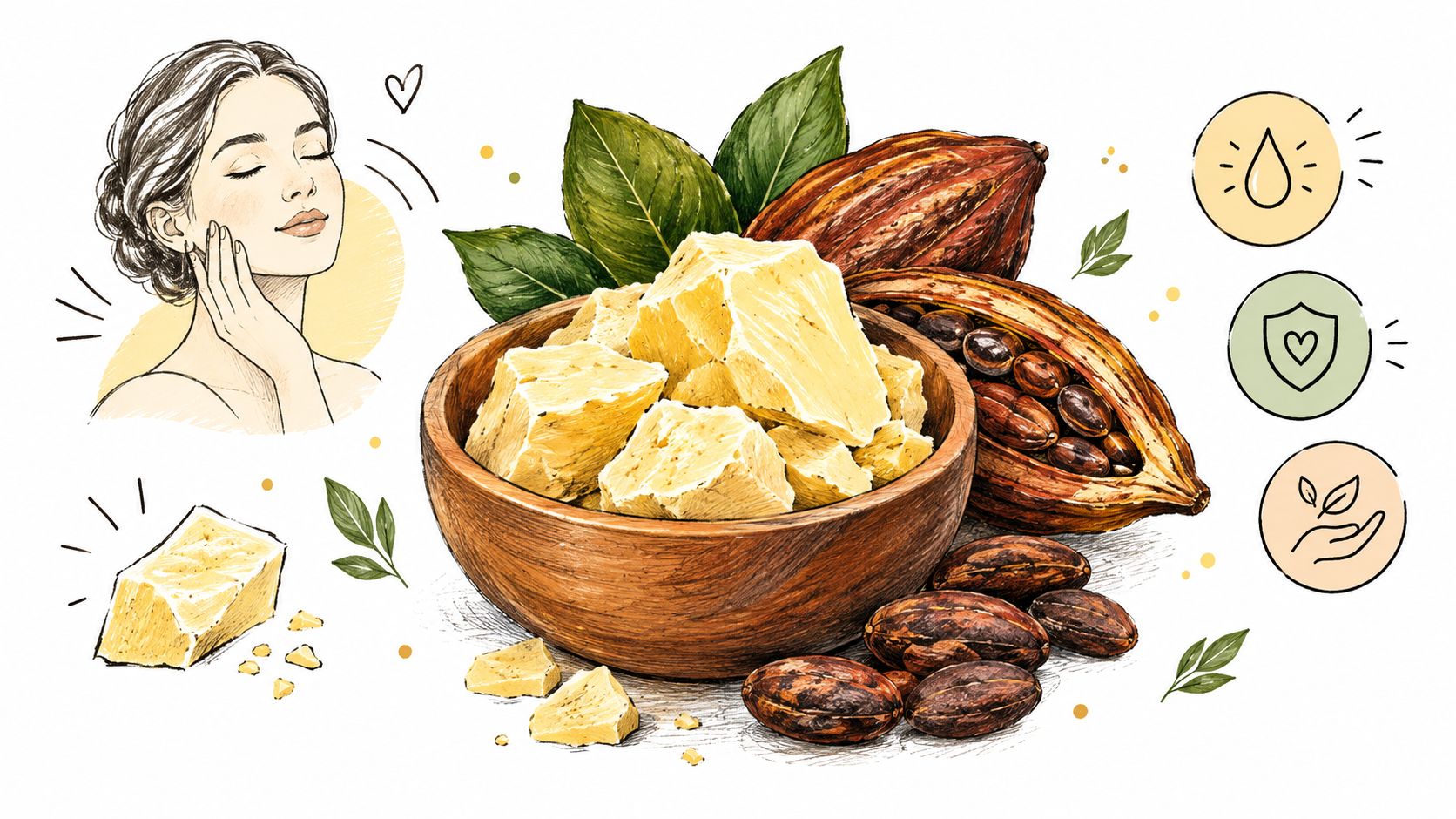
The same sealing quality explains why it isn't an ideal response to freshly burned skin. A hot burn needs the surface to cool. A dense layer may feel soothing because it reduces dryness, but that doesn't mean it has reduced the underlying inflammation. Moisture retention and cooling are different jobs.
The NHS sunburn guidance supports this distinction. Cocoa butter may offer limited symptomatic relief because it softens dry, peeling skin, but there's no cited UK clinical evidence that it repairs ultraviolet-induced DNA damage, prevents blistering, reduces inflammation or accelerates healing.
For mums who already use a belly butter, the product's familiarity can be misleading. A formulation that feels pleasant on unbroken, stretching skin may not be suitable for skin that is hot or damaged. Check the ingredient list, too. Fragrance can irritate skin that has already lost some of its protective barrier. If you're comparing options for everyday pregnancy skincare, you can review this cocoa butter lotion guide, but don't treat a bump moisturiser as sunburn medicine.
This video can help reinforce the difference between moisturising skin and caring for a burn:
The useful question isn't only whether cocoa butter feels nice. Ask whether your skin needs cooling now or moisture later. That timing determines whether the product is helpful or just too heavy for the moment.
The Hidden Risk Of The Frying Effect
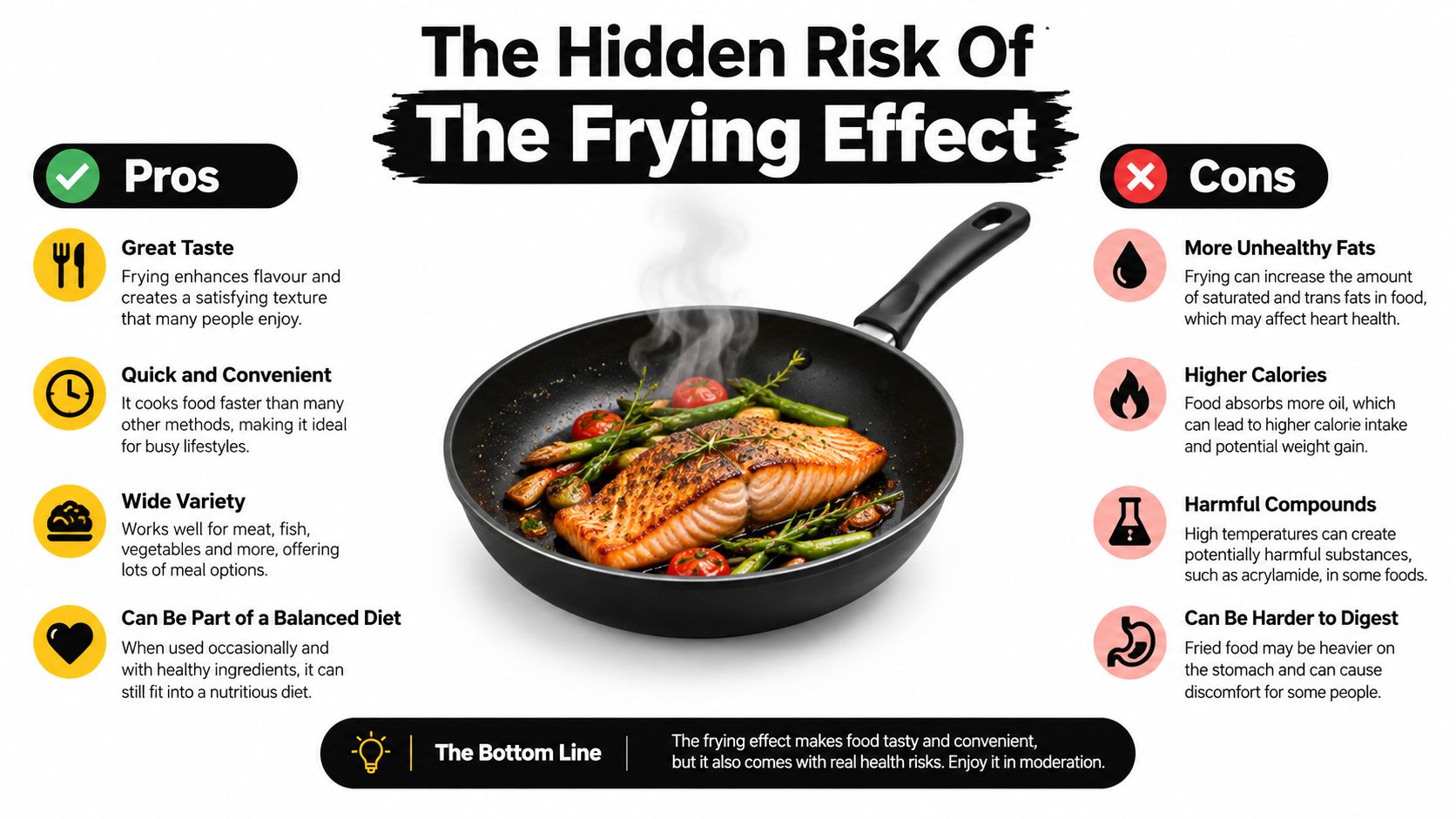
“Natural” doesn't automatically mean suitable for freshly sunburned skin. Cocoa butter is still an oily product, and oily layers can behave differently when the skin is exposed to more ultraviolet radiation or remains overheated.
The National Eczema Society warns that greasy or oily emollients may create a “frying effect” in sunlight. It recommends leaving approximately 30 minutes between applying an emollient and sunscreen. The British Association of Dermatologists phototherapy guidance also advises that oily creams can cause burning in ultraviolet-treatment settings.
The simplest way to understand the concern is to think of a lid on a steaming saucepan. The lid doesn't create the steam, but it can hold heat close to the surface. In the same way, a thick oily layer may make already hot skin feel hotter and interfere with the comfort you're trying to achieve.
Why timing changes the answer
The first priority after sun exposure is to stop adding heat. Applying a dense butter and then stepping back outside is especially unhelpful. Cocoa butter also contains no meaningful sun-protection factor, so it cannot act as sunscreen or prevent further ultraviolet exposure.
This doesn't mean you need to fear every rich moisturiser. It means you need to use one at the right point. Once the skin has cooled, you're indoors or fully shaded, and there are no blisters or open areas, a small amount may help with dryness. If the skin still feels hot, choose cooling and protection instead.
A product can be gentle for everyday skin and still be the wrong product for a fresh burn.
Pregnancy adds a practical reason to keep the routine simple. You may already have several familiar products in your bathroom, but sunburn is a different skin problem from a stretching bump. Don't layer oils, balms and fragranced creams over hot skin in the hope that more product will bring faster relief. More occlusion isn't the same as more healing.
Cocoa Butter Versus Proper Sunburn Care
Cocoa butter has a limited place in sunburn aftercare. NHS Wales sunburn advice recommends cooling first, then using aftersun or an unperfumed moisturiser while keeping affected skin covered from direct sunlight. Greasy products can hold heat against a fresh burn, so leave cocoa butter off while the skin feels hot.
For mums, the key decision is whether the burn is only dry or still actively irritated. A product that works well on a growing bump is not automatically suitable for skin damaged by ultraviolet exposure.
| Checkpoint | What to do | When to get help |
|---|---|---|
| The burn is still hot or painful | Keep the area protected from direct sunlight and avoid dense, oily layers | Seek advice if pain is severe, worsening or difficult to manage |
| The skin is dry but intact | Use a small amount of plain, fragrance-free moisturiser, stopping if it stings | Ask a pharmacist or clinician if you are unsure which product is suitable during pregnancy |
| Blisters appear | Leave them intact and avoid rubbing, peeling or coating them with cocoa butter | Seek medical advice if blistering is extensive or the burn is significant |
| The skin is broken, weeping or infected-looking | Keep products off the damaged area and do not pick at it | Contact a healthcare professional for guidance |
| You feel unwell after sun exposure | Rest, drink fluids and stay away from further heat and sunlight | Get medical advice for marked dizziness, vomiting, confusion or other concerning symptoms |
| You are planning another outing | Cover healing skin and protect unaffected skin with suitable sunscreen | Use a factor 20 sun cream guide to review everyday protection, but never put sunscreen on blistered or broken skin without professional guidance |
What cocoa butter can and can't do
Cocoa butter can ease surface dryness and reduce the tight feeling that often comes with peeling. It does not cool a burn, provide dependable ultraviolet protection, settle inflammation or repair ultraviolet damage.
Use it only as a later comfort measure. Apply the smallest amount to intact skin after the heat has settled, and choose a fragrance-free formula for sensitised skin. Stop if the area feels hotter, more irritated or uncomfortable.
Pregnancy makes a simple routine especially practical. Familiar bump products can be useful for everyday dryness, but layering oils, balms and fragranced creams over a fresh burn can trap heat and increase discomfort. More product does not mean faster recovery.
The answer to “is cocoa butter good for sunburns” depends on timing. It can be reasonable for later dryness when the skin tolerates it. It is the wrong choice for active heat, burning, blisters or open damage.
Safe At-Home Steps For Mums
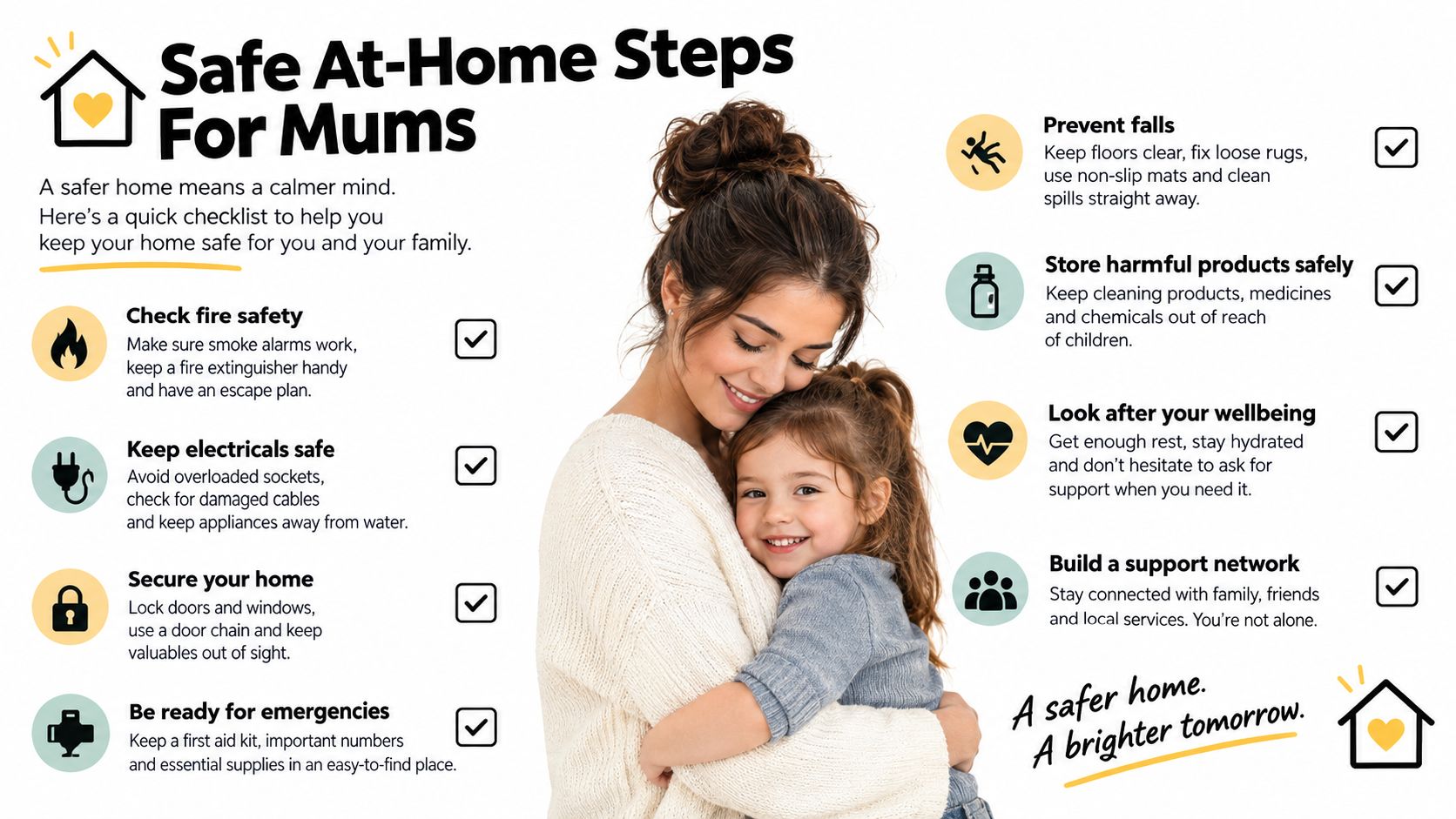
For a mild sunburn, keep the plan calm and uncomplicated. You don't need to build a complicated pregnancy skincare routine around it.
Start with cooling
Move indoors or into deep shade. Use a cool shower, bath or damp towel over the affected area, and avoid ice because extreme cold can irritate already damaged skin. Pat dry rather than rubbing, then wear loose clothing that won't press against the burn.
Drink fluids and rest. Sunburn can leave you feeling generally unwell, especially if you've spent a long time in heat. Don't return to direct sunlight just because the skin looks less red.
Choose the gentlest option
Once the skin has cooled, a plain, fragrance-free moisturiser may support comfort. If you want to use cocoa butter, apply a thin layer to intact skin only. Leave it off areas that are blistered, broken, weeping or still hot.
Avoid petroleum jelly on sunburn, and don't use fragranced products if the skin feels raw or reactive. Never pop blisters, peel loose skin or scrub away flakes. These actions can increase irritation and make it harder for the surface to recover.
If you're already using a pregnancy-focused product, check whether it contains fragrance or other ingredients that sting. This fragrance-free cocoa butter option may help you identify the type of formulation to look for, but even an unperfumed product should wait until cooling has done its job.
Keep the routine small
Use one suitable moisturiser rather than several rich products layered together. Apply gently, observe how the skin responds and stop if the area becomes hotter, more painful or irritated.
For new mums, ask for help with practical tasks while you rest. Let someone else manage the bath, clothing and fluids if you're caring for a baby while uncomfortable. Good aftercare should reduce your workload, not create another elaborate routine.
When To Seek Medical Advice
Home care is appropriate only when the burn is mild and you feel otherwise well. Severe pain, extensive blistering, fever, dizziness, dehydration or signs of infection are reasons to seek medical advice rather than relying on cocoa butter. The UK public-health evidence published in the Journal of Public Health supports a cautious approach to sunburn as a persistent health concern, not just a cosmetic dryness problem.
Signs of infection can include worsening redness, increasing swelling, discharge or pain that becomes more severe instead of settling. Don't pop blisters, and don't cover serious burns with thick cosmetic products while you're deciding what to do. Contact a healthcare professional if you're unsure, particularly during pregnancy or while caring for a newborn.
Pregnancy doesn't mean you need to panic over every patch of redness. It does mean you deserve clear advice and a low-risk plan. For a mild burn, cooling, fluids, shade and time are more important than finding a miracle balm. A plain fragrance-free moisturiser can support comfort later, but cocoa butter remains a comfort product, not a medicine.
The final answer is simple: use cocoa butter only after the skin has cooled, only on intact skin, and never as a substitute for cooling, sun avoidance, sunscreen or medical assessment.
The Happy Bump Co creates UK-made pregnancy skincare for changing, dry skin, including bump-focused body care designed with expectant mums in mind. Visit The Happy Bump Co to explore gentle moisturising options for your everyday pregnancy routine, and choose the right product for comfort after your skin has recovered.