

Around 8 in 10 pregnant women in the UK develop stretch marks, so the best belly oil for stretch marks is one that supports comfortable, well-moisturised skin without promising a complete cure. Choose a pregnancy-suitable formula with a sensible ingredient list, then use it consistently as your bump grows.
You're probably standing in the bathroom with one hand on your bump and the other comparing bottles that all promise “elasticity”, “repair” or “prevention”. Cocoa butter may be the familiar choice, while newer oils feature centella, vitamin E, hyaluronic acid or botanical blends. The problem is that attractive packaging often says more than the clinical evidence.
A good belly oil has a useful job. It can soften dry, tight skin, reduce friction and turn daily moisturising into a calming ritual. It can't guarantee that stretch marks won't appear, because pregnancy skin changes involve factors that no topical product can fully control. The NHS says stretch marks are harmless, usually fade after birth, and probably don't disappear completely, so realistic expectations matter from the start. The NHS guide to pregnancy stretch marks is the right baseline for judging every product claim.
Table of Contents
- Understanding the Need for Belly Oil
- Key Ingredients to Look For
- Comparing Top Belly Oils for Stretch Marks
- How to Apply Belly Oil for Best Results
- Why Choose The Happy Bump Co Belly Oil
- Final Recommendations and Tips
Understanding the Need for Belly Oil
Sarah notices the first faint lines after a warm shower. Her skin feels tight across the lower abdomen, especially in the evening, and she starts searching for a product that might protect her bump. Like many expectant mums, she's not necessarily looking for a miracle. She wants something gentle enough for daily use, pleasant to apply and credible enough to justify making it part of her routine.
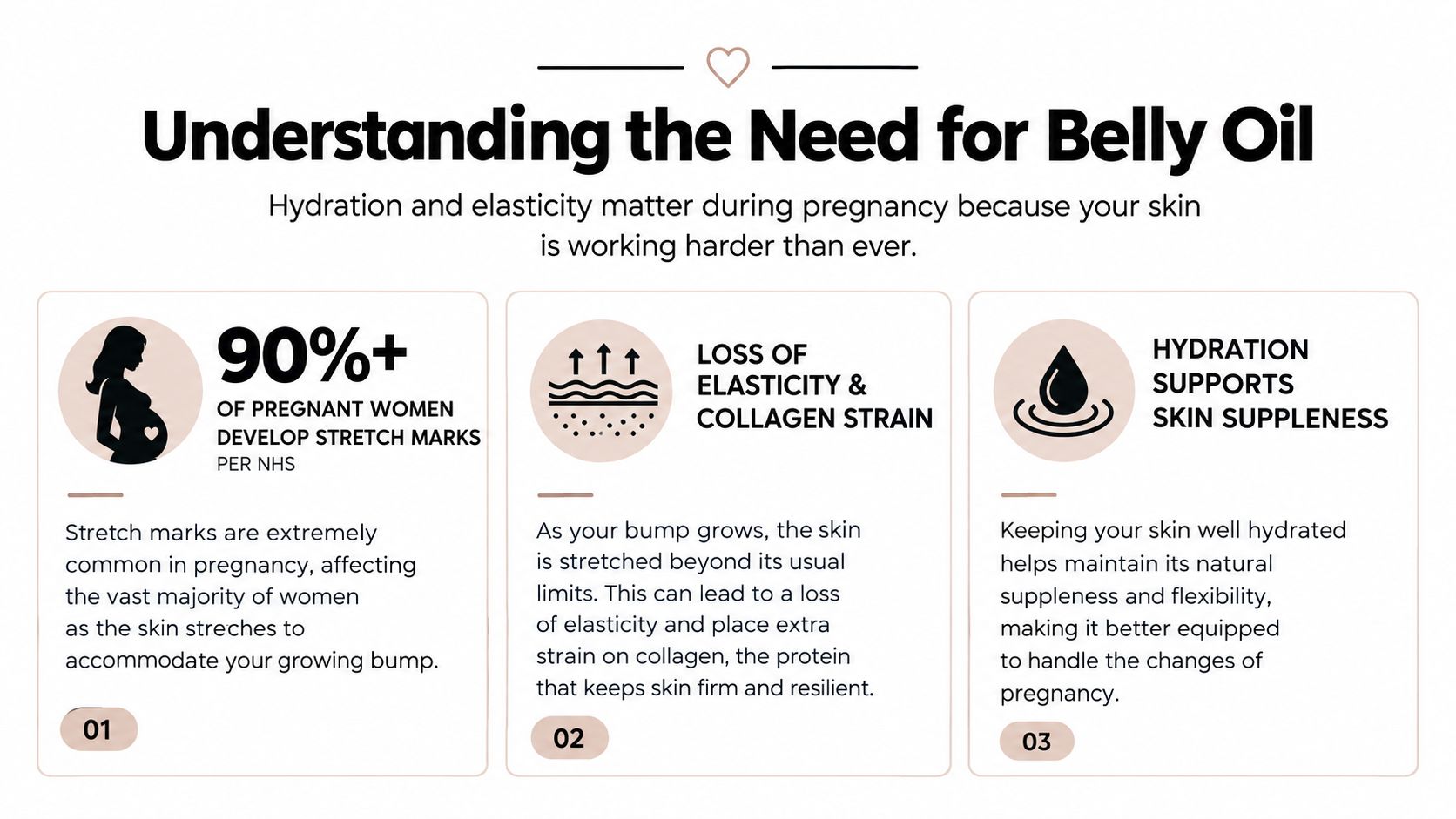
That need is widespread. The NHS says stretch marks affect around 8 in 10 pregnant women and commonly appear on the tummy, upper thighs and breasts as the bump grows. The timing makes a belly-focused moisturiser relevant, because the areas targeted by pregnancy oils overlap with the areas where marks commonly develop. This explanation of what causes pregnancy stretch marks offers useful context for the skin changes behind those lines.
What changes as the bump grows
Stretch marks develop in skin that's adapting to expansion. Hormonal changes and rapid weight gain are recognised contributors during pregnancy, as noted by nidirect's pregnancy stretch-mark guidance. The deeper structure of the skin is under strain while the surface may feel dry, itchy or uncomfortable.
Moisturising doesn't alter every factor involved in stretch-mark formation. It does help maintain a softer surface and support the skin barrier, which can make stretching skin feel more comfortable. Oils work by leaving a lipid-rich layer over the skin, helping reduce moisture loss and improving the slip needed for massage.
Practical rule: Choose belly oil for comfort, barrier support and a consistent routine. Treat “prevents every stretch mark” as marketing, not a realistic promise.
Why daily use matters
A bottle used once a week won't create much of a ritual or provide reliable ongoing moisturisation. Apply your chosen oil regularly to the tummy, hips, breasts and thighs, but keep the massage gentle. The aim is to spread the product evenly without tugging irritated skin.
The most sensible approach is to begin when your skin starts feeling dry or tight, rather than waiting for visible marks. An oil can support suppleness throughout pregnancy and beyond, while the routine itself gives you a few quiet minutes to check how your skin feels. If itching becomes severe, widespread or accompanied by a rash, speak with your midwife or GP instead of treating it as ordinary dryness.
Key Ingredients to Look For
The best ingredient shortlist starts with evidence, not popularity. A UK dermatology review in the British Journal of Dermatology found limited evidence that centella and possibly massage with bitter almond oil may help prevent or reduce pregnancy stretch marks. The same review found cocoa butter and olive oil weren't effective for prevention or severity reduction, while evidence for hyaluronic acid was weak. The dermatology review's findings deserve more weight than a long list of influencer recommendations.
Centella deserves attention
Centella asiatica is the ingredient I'd actively look for in a pregnancy belly product, provided the complete formula is suitable for you. It appears in the limited clinical evidence around pregnancy stretch marks, which makes it more interesting than an ingredient included only because it sounds luxurious.
That doesn't make centella a guaranteed preventive treatment. The evidence base is small, and a product's performance depends on its concentration, delivery system and how consistently you use it. Still, centella has a stronger rationale for this specific concern than cocoa butter used alone.
Tocopherol supports the formula
Tocopherol, commonly known as vitamin E, is another sensible inclusion. Cochrane evidence identified a small study in which massage with an ointment containing tocopherol, panthenol, hyaluronic acid, elastin and menthol was associated with fewer women developing stretch marks than no treatment. The reported result was OR 0.26, with a 95% confidence interval of 0.08 to 0.84. The Cochrane review of topical pregnancy preparations reports the finding and also makes clear that the overall evidence base remains small.
Cochrane also identified a cream containing Centella asiatica, alpha tocopherol and collagen-elastin hydrolysates that reduced incidence versus placebo, with an OR of 0.41 and a 95% confidence interval of 0.17 to 0.99. This supports looking for a considered blend rather than assuming any bottle labelled “vitamin E oil” will deliver the same result.
What to make of cocoa butter and olive oil
Cocoa butter is a good moisturiser, but moisturising value isn't the same as proven stretch-mark prevention. Use it if you like the rich texture and your skin tolerates it, but don't choose it solely because its name appears prominently on the label.
Olive oil deserves the same clear treatment. It may feel nourishing, yet the dermatology review cited above didn't find it effective for preventing or reducing stretch-mark severity. A well-formulated product may still include other useful ingredients, but olive oil alone isn't a strong evidence-led reason to buy.
Pregnancy safety comes first
Avoid retinoids such as tretinoin during pregnancy. The dermatology review notes that tretinoin may help new stretch marks, but it isn't suitable while pregnant. Don't add a retinoid-containing body product to your routine without advice from a qualified clinician after pregnancy and breastfeeding.
Check the full ingredient list, especially if you're sensitive to fragrance or essential oils. Patch-test a small area, stop if you develop irritation and ask your midwife, GP or pharmacist about any ingredient you're unsure about. This guide to belly oil can help you assess how a pregnancy-focused product fits into a daily routine.
Comparing Top Belly Oils for Stretch Marks
There isn't one universal winner. A dry, itchy bump needs a different texture from oily or blemish-prone skin, and someone who dislikes residue won't use a heavy oil consistently. The best belly oil for stretch marks is therefore the one that combines a sensible formula with a texture you'll apply regularly.
The table below compares common product types and a named UK pregnancy option. For individual products, check the current packaging and full ingredient list before purchase, because formulas can change.
Comparison of Top Belly Oils
| Product Name | Key Ingredients | Texture | Absorption Rate | Pregnancy Safety |
|---|---|---|---|---|
| The Happy Bump Co Belly Oil | Pregnancy-focused oil blend, check current label for full ingredients | Nourishing body oil | Designed for daily massage, finish depends on skin type and amount used | Marketed for pregnancy use, review the current label and patch-test |
| Plain jojoba oil | Jojoba oil | Light, smooth and relatively dry-feeling | Generally quick for an oil | Usually considered a simple option, but check sourcing and personal tolerance |
| Sweet almond oil | Sweet almond oil, naturally rich in fatty acids and vitamin E | Medium-weight and cushiony | Moderate, with some slip for massage | Commonly used during pregnancy, avoid if you have an almond allergy |
| Cocoa butter oil or blend | Cocoa butter, often combined with carrier oils | Rich and protective | Slower, may leave a noticeable film | Ingredient safety depends on the complete formula, not the cocoa butter alone |
| Centella-based cream or oil blend | Centella asiatica, possibly tocopherol and other moisturisers | Varies from fluid oil to cream | Depends on the base and emulsifiers | Look for a pregnancy-suitable formula and confirm the full ingredient list |
| Fragrance-free carrier oil blend | Oils such as sunflower, jojoba or almond | Varies from light to rich | Usually moderate to quick | A fragrance-free formula may suit sensitive skin, but patch-testing remains sensible |
The comparison exposes a common mistake. Texture affects consistency, and consistency affects whether the product has any practical value in your routine. A rich cocoa butter blend may suit very dry skin, while jojoba may feel more comfortable for someone who dislikes a greasy finish.
Match the oil to your skin
For dry or tight skin, choose a richer blend with a strong occlusive feel and apply it to damp skin. For combination or blemish-prone skin, a lighter oil such as jojoba may be easier to tolerate. For sensitive skin, prioritise a short ingredient list and low or no fragrance rather than chasing a long botanical formula.
For evidence-led shopping, favour products that include centella or tocopherol over formulas that rely on cocoa butter alone. That's not a promise of prevention. It's a better way to allocate your money when the clinical evidence is limited but not entirely absent.
How to Apply Belly Oil for Best Results
Application technique matters because an excellent oil won't help much if it stays in the bottle. Use it as a simple, repeatable ritual rather than an intensive treatment. The goal is to moisturise the skin, spread the product without dragging and make the process comfortable.
A practical application routine
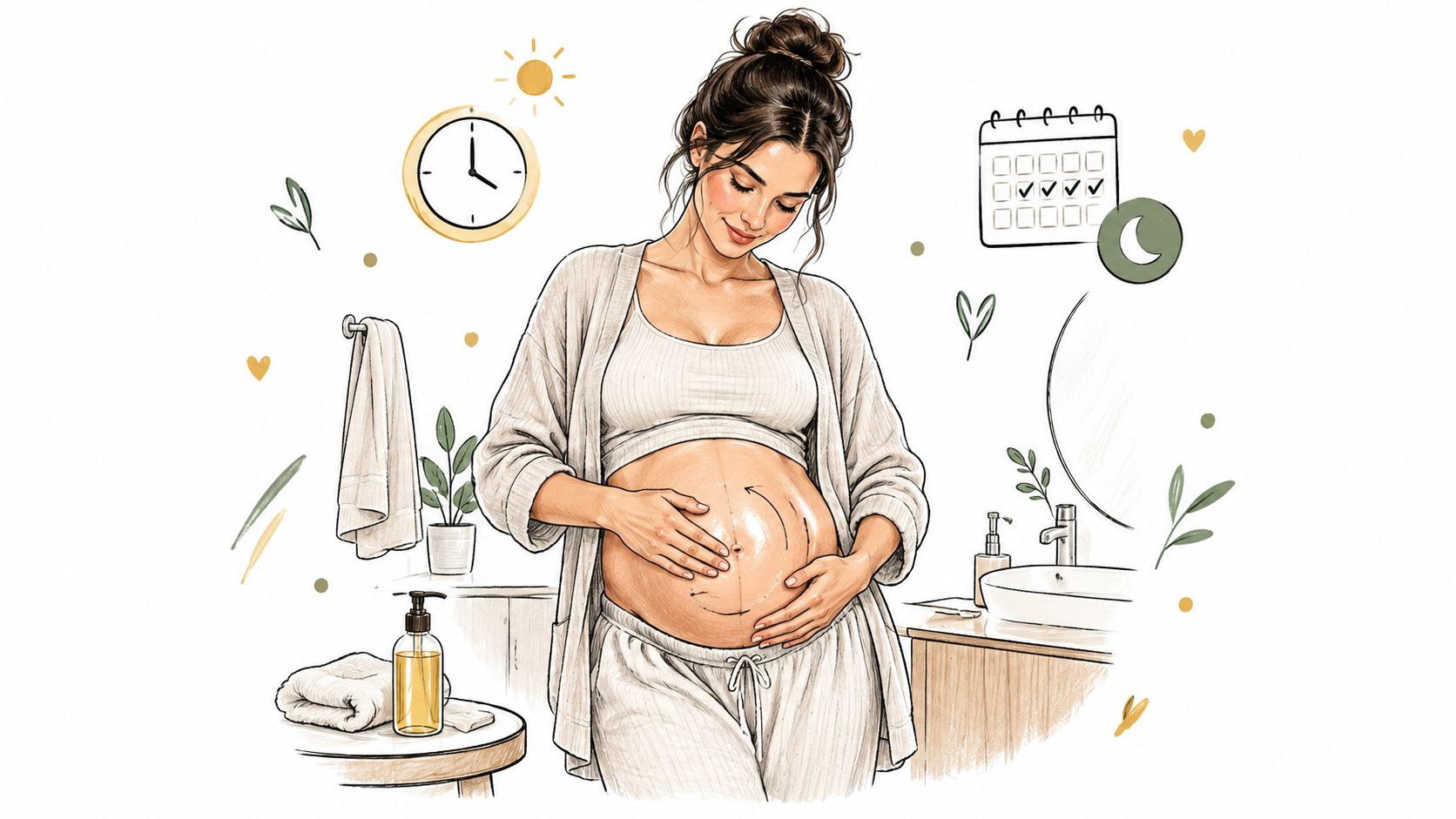
- Apply after bathing. Pat your skin until it's damp rather than completely dry. Damp skin helps the oil spread further and reduces the temptation to use too much.
- Warm the product first. Place a small amount between your palms for a moment. This improves spreadability and makes the massage feel less cold, particularly in the morning.
- Use broad, gentle movements. Massage across the tummy, sides, hips, breasts and upper thighs with light circular strokes. Don't pinch, pull or scrub the skin, especially if it already feels itchy or tender.
- Give tight areas extra attention. The lower abdomen and sides of the bump often feel most stretched, so use enough product to maintain slip. You shouldn't need to rub until the skin feels hot.
- Let the finish settle. Wait before dressing if the oil feels wet, and choose breathable clothing when possible. Wipe away excess from your hands before touching surfaces, because oil can make floors and bath edges slippery.
Build a routine you'll keep
Apply the oil at a time that already exists in your day, such as after an evening shower. If you're too tired for a long massage, a brief, even application is more useful than waiting for the perfect ten-minute ritual. Consistency supports moisturisation, while massage can make the routine feel reassuring and grounding.
Keep a towel nearby and store the bottle where you'll see it. The belly oil massage guidance from The Happy Bump Co provides further practical direction for making application comfortable.
Listen to your skin: Stop if the product stings, causes redness or makes itching worse. Pregnancy can make skin more reactive, so “natural” doesn't automatically mean suitable for everyone.
Why Choose The Happy Bump Co Belly Oil
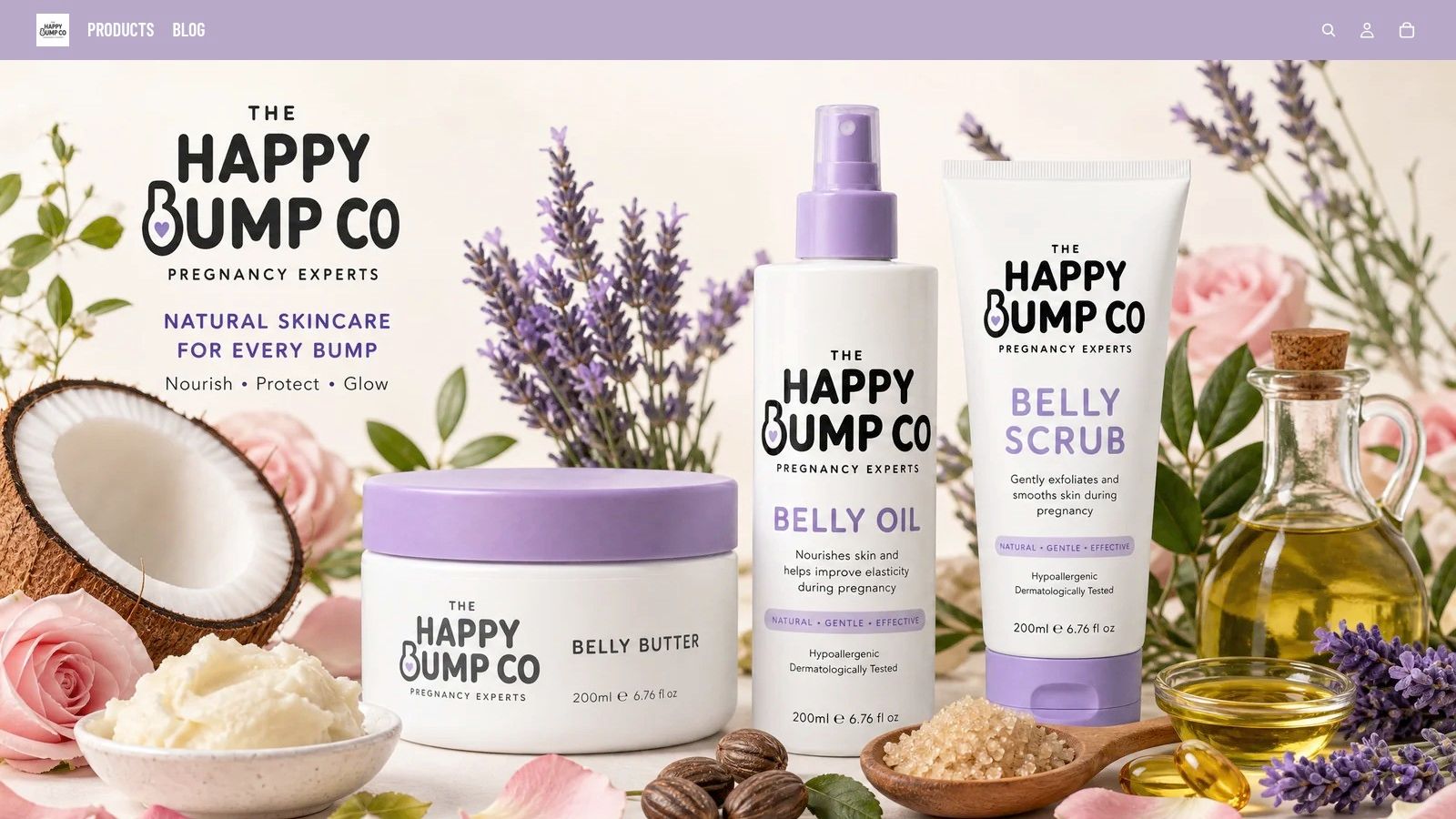
The Happy Bump Co Belly Oil is a relevant option for shoppers who want a product made specifically for pregnancy-related stretching areas rather than adapting a general body oil. The brand describes it as a daily-use product for the belly and other areas where skin changes during pregnancy, with a focus on hydration and maintaining suppleness.
That focus is useful because pregnancy skincare has different priorities from an aggressive post-pregnancy treatment. You want a product that feels comfortable on changing skin, works with gentle massage and doesn't rely on pregnancy-inappropriate actives such as tretinoin. You also want clear expectations. The product can support a moisturising routine, but it shouldn't be treated as a guaranteed way to prevent every mark.
What makes the product practical
A dedicated belly oil can simplify your routine. Instead of choosing between a facial serum, a body lotion and a general massage oil, you have a product intended for the bump and nearby areas. That makes it easier to apply regularly after bathing or before bed.
The Happy Bump Co is a UK pregnancy skincare brand and describes its range as UK-made, including belly-focused products for changing skin. Those details may matter to shoppers who prefer a pregnancy-specific range and want to buy from a brand operating in the UK. They don't replace ingredient scrutiny, so read the current label if you have allergies, eczema or fragrance sensitivity.
Who should choose it
Choose a pregnancy-focused belly oil when you want:
- A dedicated bump routine: The product is intended for the belly and other stretching areas, so it fits a targeted pregnancy skincare ritual.
- A massage-friendly texture: An oil gives the hands enough slip for gentle application without scrubbing or pulling.
- A UK-made option: The brand positions its pregnancy skincare range as made in the UK.
- A straightforward daily habit: The format suits application after bathing, when skin feels clean and slightly damp.
I wouldn't choose it purely because a label mentions stretch marks. I'd choose it if the ingredient list suits your skin, the texture encourages regular use and the brand's pregnancy-focused positioning matches what you want. If you're comparing it with a plain carrier oil, the deciding factor is convenience and formulation. If you're comparing it with a cocoa butter product, look beyond the familiar ingredient and assess the complete blend.
Final Recommendations and Tips
Use this decision matrix to narrow the choice quickly:
| Your priority | Best direction |
|---|---|
| Dry, tight skin | Choose a richer oil or oil-and-butter blend, applied to damp skin |
| Oily or combination skin | Choose a lighter oil, such as jojoba, with a less persistent finish |
| Sensitive skin | Prefer a short, fragrance-free formula and patch-test first |
| Evidence-led shopping | Look for centella and/or tocopherol, while treating claims cautiously |
| Simple pregnancy routine | Choose a dedicated belly oil designed for daily use |
| Existing stretch marks | Focus on comfort and realistic fading expectations, not complete removal |
| Early pregnancy or before visible marks | Start a gentle moisturising ritual if your skin needs it, without expecting guaranteed prevention |
| Later pregnancy | Prioritise comfort, regular application and areas that feel tight or dry |
The NHS says stretch marks usually fade after birth but probably don't vanish completely. That makes the right goal comfortable, well-supported skin and realistic cosmetic expectations, not a promise that every mark can be stopped.
Stay attentive to irritation, avoid retinoids during pregnancy and ask a healthcare professional about unusual itching or a rash. After pregnancy, discuss stronger treatments with a dermatologist if the marks continue to concern you. A carefully chosen belly oil is useful skincare, but it isn't a cure.
If you want a pregnancy-focused daily routine, explore The Happy Bump Co, which offers UK-made bump care including Belly Oil for Stretch Marks. Choose the product that suits your skin, apply it consistently to damp skin and make the ritual part of caring for your changing body.