

You're sitting on the edge of the bed, one hand resting on your bump and the other scrolling through conflicting pregnancy advice. One page tells you to exercise, another makes you nervous about your usual skincare, and a third suggests a long list of supplements you've never heard of. You want to care for yourself properly, but you don't want pregnancy to become a full-time research project.
Self care during pregnancy doesn't need to mean buying every recommended product or following an elaborate routine. The most useful approach combines NHS preventive care, gentle movement, nourishing food, emotional support and small comfort measures that fit around real life. The aim is not perfection. It's to build dependable habits that support your health while your body changes.
Table of Contents
- Your Guide to Nurturing Yourself and Your Baby
- Understanding the NHS Framework for Healthy Pregnancy
- Physical Wellness Essentials, Movement, Rest, and Hydration
- Nourishing Your Body, Diet and Supplementation Basics
- Gentle Skincare and Bump Care Routines
- Supporting Emotional Wellbeing and Mental Health
- Common Misconceptions About Pregnancy Self Care
- Creating Your Personalised Self Care Plan
Your Guide to Nurturing Yourself and Your Baby
A first pregnancy can make ordinary decisions feel unusually significant. A warm drink, a walk, a bath or a new moisturiser may suddenly raise questions about safety. That uncertainty is common, particularly when advice from social media, friends and family, product labels and healthcare professionals doesn't always sound consistent.

The practical answer is to prioritise actions with a clear purpose. Preventive care comes first, including attending antenatal appointments, avoiding alcohol and smoking, eating well, taking recommended supplements and staying active in a way that feels safe. Comfort-focused habits then make those foundations easier to maintain. Regular meals can support energy, a short walk may ease stiffness, and a simple moisturising routine can help irritated skin feel calmer.
A useful rule: choose the smallest routine you can repeat consistently, rather than the most ambitious routine you'll abandon when you're tired.
Your needs will shift. Early pregnancy may bring nausea and exhaustion, while later pregnancy can make sleep, circulation, skin comfort and mobility more difficult. Self care should adapt with you, not become another source of pressure. If a habit causes pain, dizziness, overheating or worry, pause and ask your midwife or maternity team for individual guidance.
A gentle bump massage, a quiet cup of tea, a supportive pillow or ten minutes without your phone can all count. Practical ideas for building a calming product routine are available in this guide to pregnancy self care products, but products should complement, not replace, antenatal care.
Understanding the NHS Framework for Healthy Pregnancy
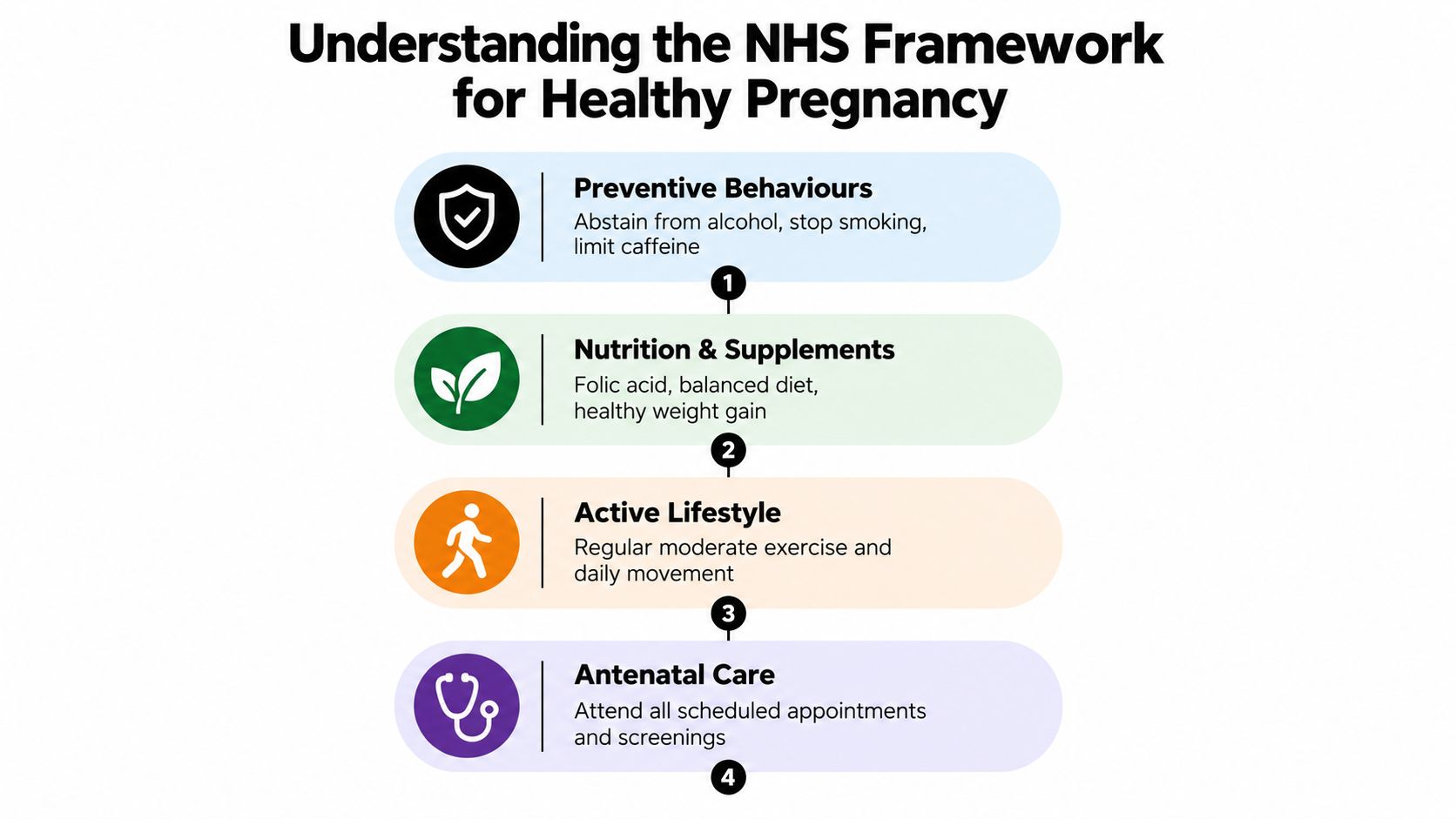
The NHS treats pregnancy self care as part of routine antenatal health, rather than an optional wellness extra. Its framework brings together smoking cessation, avoiding alcohol, safe exercise, a healthy diet, food safety, folic acid, vitamin D, infection prevention and vaccination. It also encourages you to tell the NHS as soon as you know you're pregnant, so support can begin early. Read the full NHS pregnancy care guidance for the pathway relevant to you.
Prevention before products
The order matters. Avoiding alcohol and smoking addresses preventable risks, while vaccinations and infection advice help protect you and your baby. Food choices, supplementation and movement support the pregnancy day after day. None of these actions has to be dramatic, but together they create a reliable health foundation.
UK Chief Medical Officers advise that the safest approach in pregnancy is not to drink alcohol at all, because even small exposures can create avoidable risk to the baby. That makes alcohol avoidance a health-protection measure, not just a lifestyle preference.
Early contact makes care more useful
Early contact with maternity services gives you a chance to discuss existing conditions, medicines, mental health, previous pregnancies and practical concerns. It also helps you understand which symptoms need attention and which changes are normal. If you're unsure where to begin, contacting your GP, midwife or local maternity service is more valuable than trying to interpret every online checklist alone.
Self care can also include simple circulation measures recommended by UK maternity services. Stand up gently, avoid prolonged standing, rotate your ankles and raise your feet when seated. Later in pregnancy, particularly after 28 weeks, lying on your side is advised, as described in NHS pregnancy care guidance.
Physical Wellness Essentials, Movement, Rest, and Hydration
Movement during pregnancy should support your energy and confidence, not leave you depleted. NHS guidance recommends 150 minutes of moderate-intensity activity each week, including muscle-strengthening work. The recommendation and safety advice are set out in the NHS pregnancy exercise guidance.
Moderate intensity usually means you can speak while moving, although you may not be able to sing comfortably. Brisk walking, swimming, pregnancy-adapted yoga, stationary cycling and strength work with manageable resistance can all be useful options. If you're starting a new activity, build up gradually rather than trying to compensate for weeks when you've been unwell.
Make movement easier to sustain
Break activity into manageable pieces. A walk after lunch, gentle mobility while waiting for the kettle and a short strength session can feel more achievable than one long workout. Take water with you, avoid exercising on an empty stomach, and stop if you feel overheated or unwell.
Pregnancy changes balance and joint comfort, so your usual exercise may need modification. Choose stable surfaces, avoid activities with a significant fall or collision risk, and ask your maternity team about restrictions if you have bleeding, pain, a medical condition or pregnancy complications.
Treat rest as active care
Rest isn't a failure to be productive. It gives your body space to respond to physical demands and can make daily movement more manageable. Sit down before you feel completely drained, use cushions to support your bump and hips, and change position regularly if you're working at a desk.
For circulation, stand up gently, avoid long periods on your feet, rotate your ankles and raise your feet while seated. After 28 weeks, side-lying is particularly relevant for sleep and rest, in line with UK maternity advice. If a position feels uncomfortable, adjust it and ask your midwife for personal guidance.
Don't wait until you feel parched
Keep a bottle or glass nearby and drink regularly throughout the day. Pair fluids with regular meals and snacks rather than relying on caffeine or sugary drinks to push through fatigue. If nausea makes drinking difficult, small, frequent sips may be easier than a large glass at once.
Nourishing Your Body, Diet and Supplementation Basics
Pregnancy nutrition becomes clearer when you separate core actions from optional additions. A varied diet with regular meals provides the broad base. Recommended supplements address specific needs, but taking more products isn't automatically more beneficial.
| Nutrient | Recommended Action | Why It Matters |
|---|---|---|
| Folic acid | Take 400 micrograms daily before conception and throughout the first 12 weeks, following UK guidance. Learn more about pregnancy self care from NHS-aligned maternity services. | It reduces the risk of neural tube defects, including spina bifida. |
| Vitamin D | Consider vitamin D in line with NHS or maternity-team advice. | It forms part of routine UK pregnancy health guidance. |
| Balanced food | Eat regular meals built around varied, nourishing foods. | It supports day-to-day energy and maternal wellbeing. |
| Food safety | Know which foods to avoid and follow infection-prevention advice. | It reduces avoidable food-related risks during pregnancy. |
Folic acid deserves early attention because the relevant developmental stage may begin before you realise you're pregnant. If you've found out late, don't assume you've missed your opportunity to ask for advice. Speak with your midwife, GP or pharmacist about what to do next.
Vitamin D is a consideration within the NHS pregnancy framework, but supplements should be chosen carefully. Avoid stacking several products without checking their ingredients, especially if you're already taking a prenatal supplement. More tablets can create confusion without adding a proven benefit.
A practical plate might include a source of protein, a starchy carbohydrate, vegetables or fruit and a source of healthy fat. Regular eating can be particularly helpful when nausea, tiredness or long gaps between meals make the day harder. You don't need to create a perfect menu. You need dependable nourishment that you can tolerate and prepare.
UK data also point to the value of clearer early guidance. In 2023 to 2024, 19.7% of women took folic acid before pregnancy, compared with 25.7% in 2019 to 2020, and 63.5% attended their first antenatal appointment within 10 weeks. These figures are reported in UK-facing pregnancy skincare and self-care guidance, and they underline why accessible, practical advice matters.
Gentle Skincare and Bump Care Routines
Pregnancy skin can feel unfamiliar from one week to the next. Hormonal changes and mechanical stretching commonly contribute to dryness and itching, especially across the abdomen, breasts and thighs. Scratching then creates more irritation, so a barrier-first routine is often more useful than a crowded shelf of active treatments.
Keep the routine simple
Start with a gentle cleanser and an unperfumed moisturiser or emollient. Apply moisturiser regularly, particularly after washing, while the skin is still slightly damp. Keep showers or baths under 20 minutes and avoid perfumed products, following UK guidance for itching or rash in pregnancy.
A useful routine looks like this:
- Cleanse gently. Use lukewarm water and avoid vigorous rubbing.
- Pat dry. Leave the skin comfortable rather than completely stripped of moisture.
- Moisturise promptly. Smooth an unperfumed emollient over the bump, breasts, hips and thighs.
- Reapply where needed. Dry patches may need attention during the day, not only after an evening shower.
- Seek advice for persistent itch. New, intense or widespread itching deserves assessment rather than repeated product changes.
Think beyond ingredient fear
A product labelled “natural” isn't automatically suitable, and “pregnancy-friendly” doesn't tell you how your skin will respond. Check the ingredient list, introduce one new product at a time and stop using anything that stings or causes a rash. Hydrating ingredients such as hyaluronic acid may support a comfortable routine, but simplicity remains more important than collecting actives.
Sun protection deserves a place in everyday bump care. Pregnancy-related hormonal changes can increase sensitivity and pigmentation, so the UK-facing expert guide to safe skin treatments in pregnancy highlights the practical value of daily SPF 50, alongside gentle cleansers and plain moisturisers.
A few minutes of applying cream can also become a grounding ritual. Use slow strokes, check for tender areas and let the routine be about comfort rather than a promise to prevent every skin change. For more ideas, see this pregnancy skincare routine.
Supporting Emotional Wellbeing and Mental Health
Pregnancy can bring happiness and apprehension in the same afternoon. You may feel grateful for your pregnancy and still worry about birth, health, money, work, relationships or the loss of your familiar routine. Those feelings don't cancel each other out.

NHS-aligned maternity advice includes talking about feelings, calming breathing exercises, physical activity where possible, eating well and attending antenatal classes as practical ways to support mood, sleep and anxiety. These are not replacements for professional care. They're everyday tools that can make difficult moments more manageable and help you notice when you need additional support.
Turn concern into a conversation
Choose one person who can listen without immediately trying to solve the problem. Tell your partner, friend, midwife or GP what you're experiencing in plain language. “I'm struggling to switch off at night” or “I'm frightened most days” gives someone a starting point for helping you.
Try a slow breathing pattern when tension rises. Relax your shoulders, breathe in gently and make the out-breath longer than the in-breath. Repeat for a few cycles, then return to the immediate task rather than demanding that all anxiety disappear.
Antenatal classes can provide information, preparation and contact with other expectant parents. They can also give partners a clearer role, which makes support more practical than just asking them to “be there”.
You don't need to wait until distress becomes unbearable before mentioning it to your maternity team.
Watch this short guided resource when you want a calm pause in your day.
Seek professional help if low mood, panic, intrusive thoughts, hopelessness or persistent anxiety is affecting sleep, eating, work or relationships. If you feel at immediate risk of harming yourself or someone else, contact emergency services or urgent mental health support. Gentle pampering can be part of your routine, and mum-to-be pampering gifts may help someone show care, but emotional symptoms still deserve proper clinical attention.
Common Misconceptions About Pregnancy Self Care
“Self care is selfish.” Looking after yourself supports the person carrying the pregnancy. Eating regularly, resting, asking for help and attending appointments are forms of health management, not indulgence.
“You must stop exercising.” Healthy pregnancy doesn't automatically require bed rest or inactivity. NHS guidance supports moderate movement for many pregnant people, with gradual progression, appropriate modifications and professional advice where medical circumstances require it. The right exercise is the one that matches your health, fitness and pregnancy.
“More products mean better skin.” Pregnancy skin often responds better to fewer, lower-irritant products. An unperfumed emollient, a gentle cleanser and sunscreen may be more useful than a complicated routine containing several new actives.
“Natural means safe.” Natural ingredients can still irritate skin or lack adequate pregnancy-specific safety information. Read the label, avoid vague reassurance and ask a pharmacist, GP or midwife when you're uncertain.
“Supplements are harmless because they're vitamins.” Supplements can be useful when recommended, but combining multiple products can duplicate ingredients. Prioritise the guidance you've been given and check any additional supplement with a qualified professional.
“I should cope.” Pregnancy can expose existing mental health needs or create new ones. Speaking up early gives your maternity team more opportunity to support you. Self care works best when it includes communication, not just private routines.
Creating Your Personalised Self Care Plan
A workable plan has two qualities: it reflects your actual day, and it can change without feeling like failure. Start with your appointments and any advice from your midwife or obstetric team. Then add small actions that protect energy, comfort, nutrition and mood.
A weekly rhythm that bends with you
Use this as a prompt rather than a rigid scorecard:
- Movement: Schedule gentle activity across the week, adjusting intensity when nausea, fatigue or discomfort changes.
- Rest: Protect regular opportunities to sit, lie on your side when appropriate and go to bed before exhaustion peaks.
- Food: Keep easy, nourishing options available so a busy day doesn't result in long gaps without eating.
- Fluids: Carry a bottle or keep a glass within reach at home and work.
- Skin: Apply an unperfumed moisturiser after washing and use sunscreen as part of your daytime routine.
- Emotional check-in: Ask yourself what feels manageable, what feels difficult and who you can tell.
- Care contact: Record questions for your next appointment instead of trying to remember them while tired.
Make it measurable by action, not perfection: one walk, one proper meal, one honest conversation and one moment of rest all count.
Review the plan as your pregnancy progresses. You may need more seated movement, extra rest, different clothing, more frequent meals or additional emotional support. Don't judge a routine designed for an earlier stage against what your body can manage now.
Contact your maternity team promptly about symptoms that concern you, including bleeding, significant pain, fluid loss, severe headache, vision changes, marked swelling, reduced movements later in pregnancy, persistent vomiting, breathing difficulty or feeling acutely unwell. Your own medical history may change what is safe, so personalised advice takes priority over a general guide.
Self care during pregnancy is not a competition and it isn't a guarantee that every discomfort will disappear. It's a steady way to notice your needs, reduce avoidable risks and seek help early when something feels wrong.
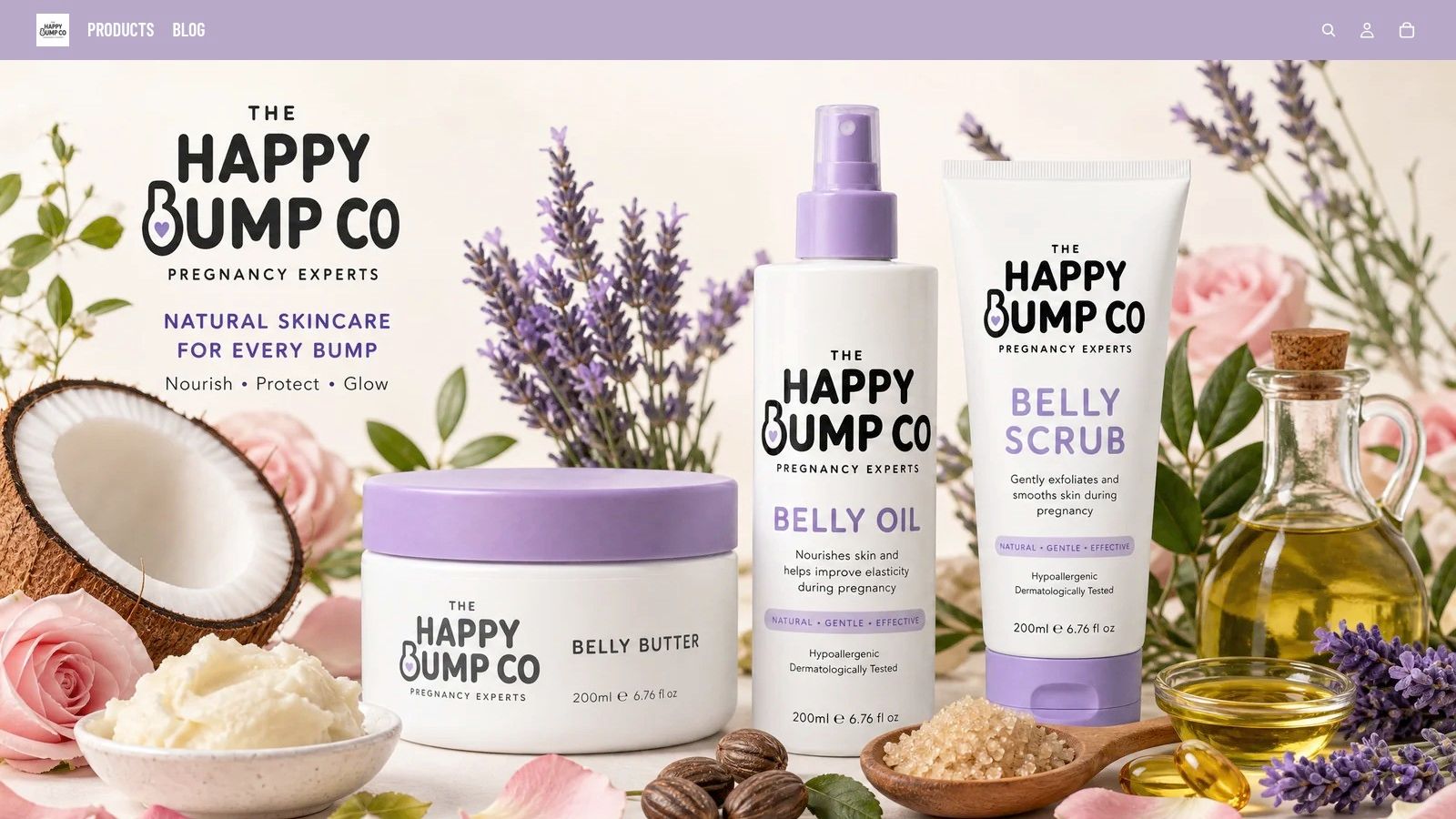
The Happy Bump Co offers bump-focused body care, including Belly Butter, Belly Oil for Stretch Marks and Pregnancy Tummy Scrub, to support a gentle moisturising ritual for changing skin. Visit The Happy Bump Co to explore UK-made pregnancy skincare and choose a simple routine that fits your self-care during pregnancy.