

You notice the itching first. Then your bump seems to appear earlier, your skin feels tighter, and a few old silver lines from your first pregnancy look darker in the bathroom light. It's easy to wonder whether something is wrong, especially when you expected your second pregnancy to follow the same pattern as the first.
Usually, it doesn't. A second pregnancy can bring earlier-feeling skin expansion, a quicker-growing bump, and renewed visibility in old stretch marks. That doesn't mean your skin has failed, and it doesn't mean a particular oil or cream caused the change. It means your body is adapting to another major period of growth.
The honest approach is simple. Support your skin for comfort and barrier health, manage weight gain with your maternity team, avoid miracle claims, and recognise that stretch marks are a normal part of pregnancy for many women.
Table of Contents
- Navigating Skin Changes in Your Second Pregnancy
- The Clinical Reality of Pregnancy Stretch Marks
- Comparing First and Second Pregnancy Skin Expansion
- Building a Proactive Bump Skincare Routine
- Lifestyle Factors That Support Skin Resilience
- Postpartum Care and Embracing Your Changing Body
Navigating Skin Changes in Your Second Pregnancy
During her first pregnancy, a woman might notice a gradual change. Her abdomen feels tight after a long day, her breasts become tender and heavier, and the first marks may appear as faint pink or reddish streaks. In a second pregnancy, the same woman may feel that everything is happening sooner. Her bump seems to “pop”, her skin starts itching around the tummy, and marks that had faded after her first birth become easier to see.
That experience can feel alarming, but it's familiar physiology rather than a warning sign by itself. Pregnancy changes the skin through a combination of growth and hormonal shifts. A second pregnancy can also involve different timing, different weight gain, a different baby position, or a body that expands more quickly than it did previously.
The useful question isn't “Why did my cream fail?” It's “How can I keep my skin comfortable while my body changes?”
Old stretch marks don't necessarily disappear completely. They often become paler and less noticeable, but a new pregnancy can make them stand out again as the surrounding skin stretches. You may also develop new marks in areas that weren't affected the first time, including the breasts, hips, thighs, lower back, or bottom.
Why your second pregnancy may feel different
Your skin isn't a blank canvas this time. The tissues around your abdomen have already accommodated pregnancy-related expansion, and your body may show outward changes differently. That doesn't prove that every second pregnancy carries a higher risk of stretch marks. UK guidance doesn't separate risk neatly by first pregnancy and later pregnancies, and the evidence gap is important. The NHS guidance on stretch marks discusses factors such as faster weight gain without establishing a separate parity-specific risk profile.
Your history still matters, though. If you developed marks before, you know that your skin may be more prone to them. Family history, skin elasticity, growth rate, and hormonal changes all matter more than whether you've found a premium-looking product.
What to do when the itching starts
Apply a plain, pregnancy-suitable moisturiser or body oil to slightly damp skin, keep showers warm rather than hot, and avoid scratching with your nails. Choose loose, breathable clothing if friction makes the irritation worse. Persistent, intense itching, particularly if it affects your palms or soles or keeps you awake, deserves medical advice because not all pregnancy itching is caused by ordinary skin stretching.
You don't need to wait for visible lines before caring for your skin. Start with a routine you can maintain, not an elaborate regimen that becomes another task during pregnancy.
The Clinical Reality of Pregnancy Stretch Marks
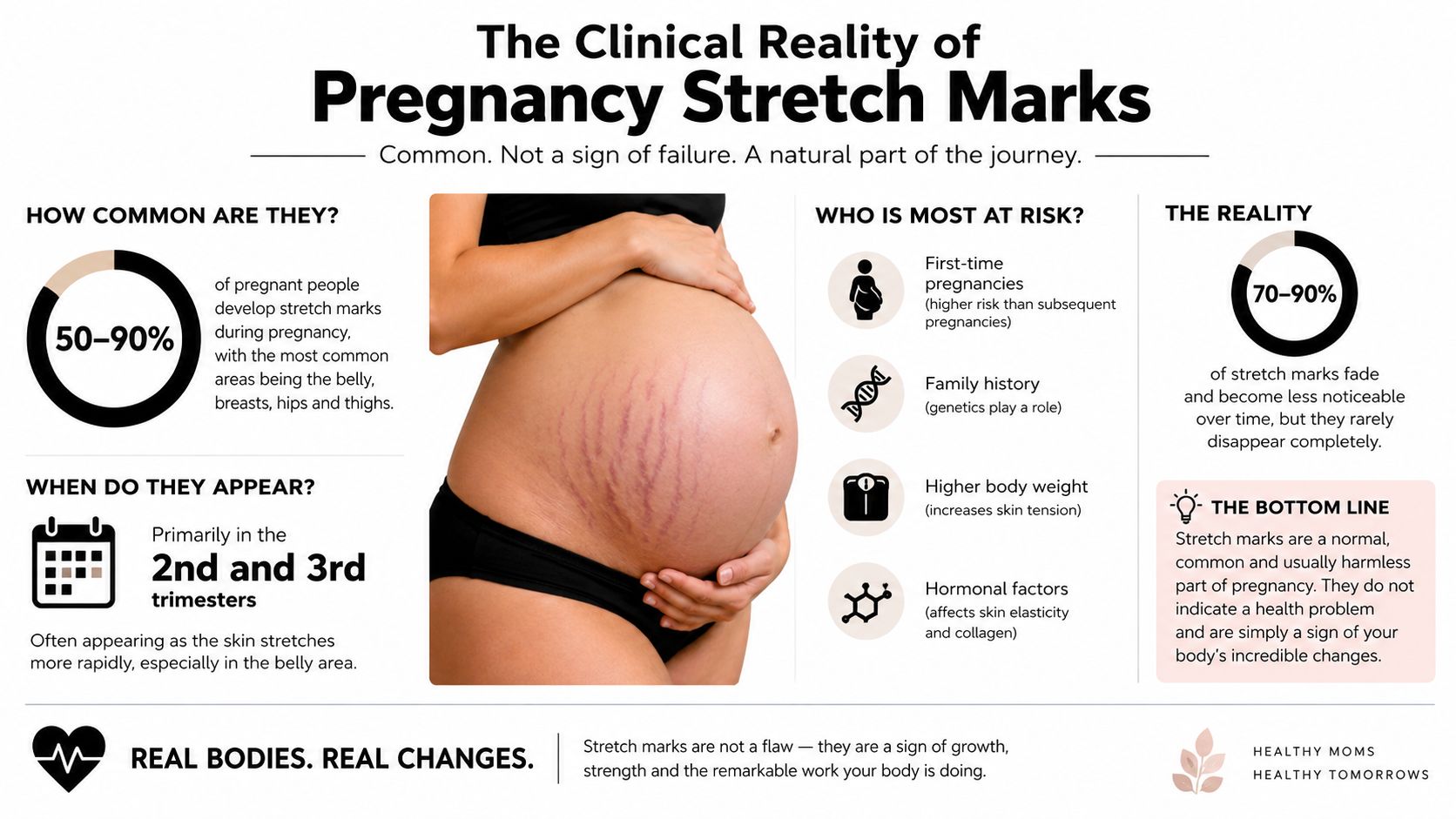
Stretch marks, medically called striae, develop when the deeper skin layers respond to rapid expansion and hormonal changes. During a second pregnancy, the abdomen and other areas may stretch over tissue that has already adapted once. That can make old marks more visible or create new ones as the skin accommodates another period of growth. The lines reflect structural change in the dermis, not dirt, poor hygiene, or neglect.
New marks may appear pink, red, purple, or brown, depending on your skin tone and when they formed. They usually fade and become less noticeable with time, although they may not disappear completely. The NHS explanation of pregnancy stretch marks describes them as harmless and explains that they often fade after birth.
How common are pregnancy stretch marks
The NHS reports that stretch marks affect around 8 out of 10 pregnant women in the UK. They may begin around the second trimester, including as early as 17 to 22 weeks, and can affect the tummy, breasts, thighs, and bottom. For a plain-language explanation of the contributing factors, read what causes pregnancy stretch marks.
The reported prevalence reflects how common these marks are, not a prediction for your second pregnancy. Previous stretch marks, family history, skin elasticity, hormonal changes, and the speed of growth all influence how your skin responds. A second pregnancy can therefore reactivate the appearance of older lines without guaranteeing that new ones will form.
Why products can't promise prevention
Pregnancy, family history, and rapid or substantial weight gain are among the factors identified in UK clinical guidance. Moisturising can support comfort, but it cannot change inherited skin characteristics or fully prevent dermal stretching.
Creams and oils may ease dryness, tightness, and itchiness. Choose a plain, pregnancy-suitable product that feels comfortable enough to use consistently. Treat claims of completely preventing stretch marks with scepticism. No topical product can guarantee mark-free skin.
Healthy pregnancy weight gain remains the practical priority. Follow your midwife's or obstetrician's advice, eat regularly, and avoid restrictive dieting. Cosmetic concerns should not lead you to limit the normal growth your pregnancy requires.
Comparing First and Second Pregnancy Skin Expansion
The table below sets out what changes between pregnancies and what stays the same. A second pregnancy does not create a separate medical category, but previously stretched skin may respond differently when it accommodates another period of growth. Old marks can also become more visible as surrounding skin changes.
| Factor | First Pregnancy | Second Pregnancy |
|---|---|---|
| Skin expansion | The skin adapts to pregnancy-related growth for the first time. | Previously expanded skin accommodates another period of growth. |
| Visible timing | Marks may appear as the bump and other areas expand. | Tightness, itching, or visible changes may occur at a different point, depending on this pregnancy's growth pattern. |
| Old marks | There are no pregnancy marks from an earlier birth. | Faded marks may look darker or more defined as the skin stretches again. |
| New areas | Marks can appear on the tummy, breasts, hips, thighs, or bottom. | New marks may develop in areas that were unaffected previously. |
| Risk interpretation | Family history, growth rate, and skin characteristics still matter. | A previous history of marks provides useful context, but it does not prove a separate parity-based risk. |
What expansion changes, and what it doesn't
“Faster skin expansion” describes a possible personal experience, not a rule for every second pregnancy. Your current bump may grow at a different pace from your first because weight gain, fluid levels, baby's position, and wider body changes can all differ.
Faster weight gain is one recognised factor associated with stretch marks, but available guidance does not establish that a second pregnancy automatically carries a higher risk than a first. This distinction matters. A brand may turn a reasonable observation about returning skin tension into an unsupported promise about prevention.
The practical comparison is therefore specific to your body. Skin that expanded during an earlier pregnancy may feel familiar, yet it can still change in a different way this time. Previous marks may become more noticeable, while new marks can appear in areas that were unaffected before.
Why old marks can look active again
A faded line may become easier to see when the skin around it stretches. It has not necessarily “reopened”, and it is not a wound in the usual sense. Changes in tension, colour contrast, and surrounding pigmentation can make an older mark look darker or wider during pregnancy.
Some women develop their first stretch marks during a second pregnancy. Others see no new marks but notice that earlier lines temporarily deepen in colour or contrast. Neither pattern, judged by appearance alone, indicates a problem.
Focus on comfort rather than trying to erase every trace. Apply a moisturiser consistently, avoid aggressive rubbing, and take a photograph only if monitoring changes will not increase your anxiety. Seek assessment from a healthcare professional if a mark becomes painful, bleeds, develops a rash, or looks unlike your usual stretch marks.
A second pregnancy can make old marks more noticeable without meaning that your skin is dangerously damaged.
Your first pregnancy provides context, not a fixed forecast. Compare how your skin looks and feels now with its usual condition, and treat significant or unusual symptoms as a reason to seek professional advice.
Building a Proactive Bump Skincare Routine
A good routine should leave your skin comfortable, not make you feel responsible for preventing a normal pregnancy change. A UK cross-sectional survey found that 78.2% of pregnant women used at least one product to prevent or reduce stretch marks, according to the published survey of pregnancy skincare use. That shows strong demand for these products, but product use alone doesn't prove that any particular formula prevents stretch marks.
Use skincare for hydration, softness, itch relief, and routine, while keeping expectations realistic. The following approach works well for a second pregnancy because it's simple enough to repeat when life already feels busy.
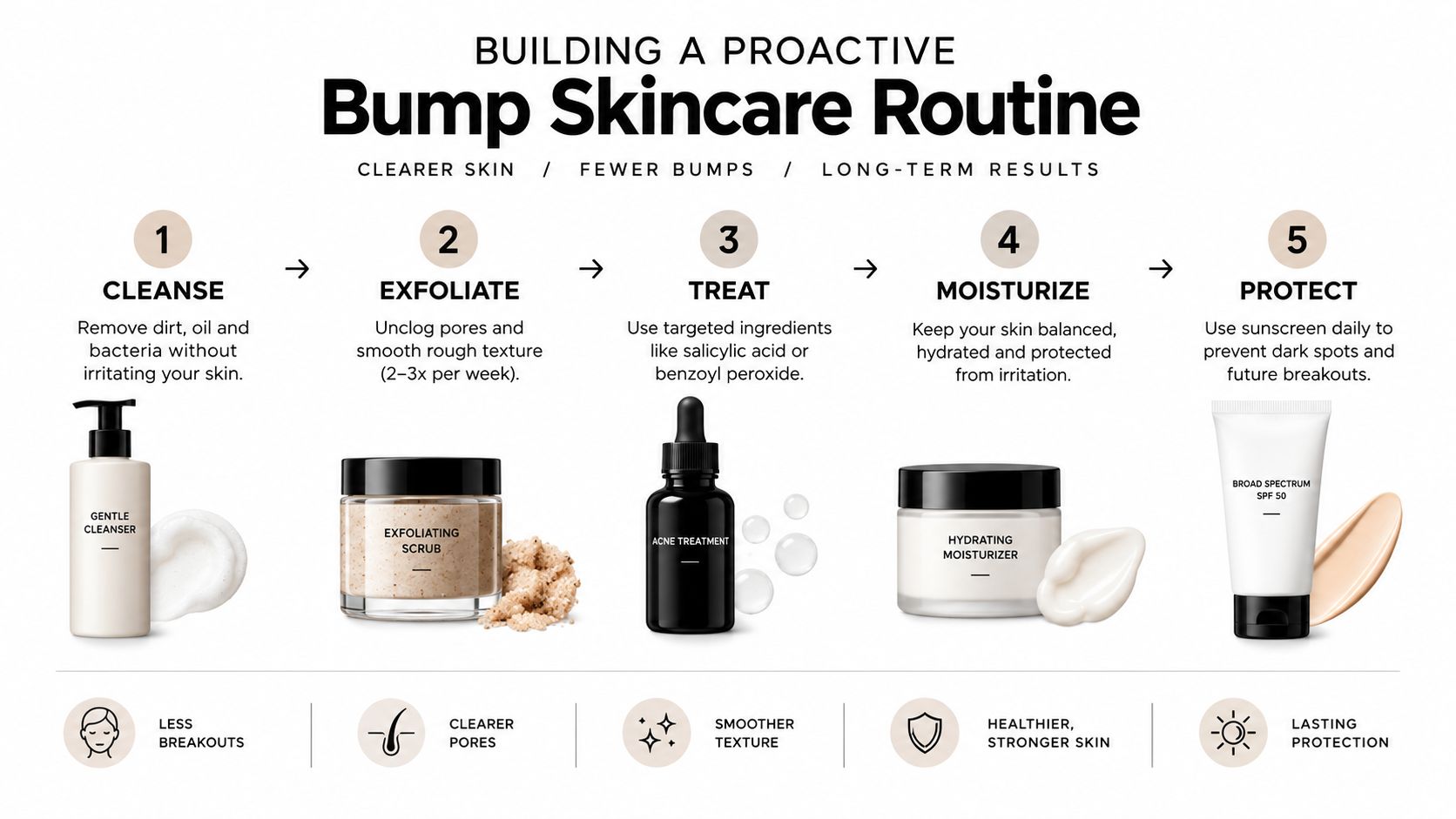
Start with gentle cleansing
Wash the bump with a mild, fragrance-conscious cleanser and lukewarm water. Don't scrub hard, use rough mitts, or try to “polish away” lines. Removing surface dryness aggressively can leave the barrier more irritated, particularly when your skin already feels tight.
Pat the area dry rather than dragging a towel across it. Leave the skin slightly damp so your moisturiser or oil can spread without excessive rubbing.
Exfoliate sparingly
Use the Pregnancy Tummy Scrub occasionally if your skin tolerates it and you want to smooth flaky surface skin. Keep the pressure light and avoid exfoliating over broken, inflamed, sunburned, or very itchy skin. Exfoliation won't remove stretch marks because they form deeper in the skin, but a gentle approach can help the surface feel smoother.
You don't need daily exfoliation. Overuse can worsen dryness and irritation, which defeats the purpose of the routine.
Layer oil and butter for comfort
Apply the Belly Oil for Stretch Marks to the tummy, breasts, hips, thighs, and other areas that feel tight. Massage it in with broad, gentle movements. The aim is even coverage and a soothing ritual, not vigorous pressure.
Follow with Belly Butter where you need richer, longer-lasting hydration, especially before bed. An oil and a butter have different textures, so layering them can make dry skin feel more comfortable. It still doesn't create an invisible shield against stretch marks, but it can support the outer skin barrier while your body expands.
Make consistency realistic
Keep the products where you'll use them, such as beside your shower or on your bedside table. Apply after bathing and again whenever tightness returns. If a product stings, causes redness, or makes the itch worse, stop using it and choose a simpler alternative.
The Pregnancy skincare routine guide can help you organise the order and coverage areas. Check the ingredient list, follow the product directions, and ask your midwife or doctor about any ingredient you're uncertain about.
Lifestyle Factors That Support Skin Resilience
Topical care can make your skin feel better, but your daily habits influence how your body handles pregnancy growth. The most important lifestyle recommendation from UK clinical guidance is to support a healthy weight rather than pursue cosmetic restriction. Rapid weight gain can increase skin tension, but pregnancy isn't the time for dieting or trying to keep your body artificially small.
Speak openly with your midwife or obstetrician about your individual weight trajectory. They can interpret your progress in the context of your pre-pregnancy health, pregnancy stage, baby's growth, and any medical conditions. Don't compare your current body with your first pregnancy or with someone else's bump.
Eat to support pregnancy, not perfection
Build meals around foods that provide protein, fruit and vegetables, whole grains, and sources of healthy fats. Nutrients including vitamin C, zinc, and protein contribute to normal tissue maintenance and collagen production, but supplements should be discussed with your maternity team rather than added casually.
Avoid turning stretch-mark prevention into a restrictive nutrition project. Cutting foods aggressively can undermine your energy and wellbeing, while no diet can guarantee that your skin won't develop marks.
Drink regularly and protect the barrier
Pregnancy can make dehydration easier to overlook, especially when nausea, tiredness, or a busy routine changes your usual habits. Keep fluids available and drink regularly according to your thirst and medical advice. Hydration supports general health, but it won't reverse an established stretch mark on its own.
Your skin barrier also benefits from simple choices:
- Keep showers comfortable: Hot water can worsen dryness and itching.
- Choose breathable fabrics: Soft clothing reduces friction over sensitive areas.
- Moisturise after washing: Damp skin allows products to spread with less rubbing.
- Sleep where you can: Rest supports overall recovery during physical change.
- Ask before supplementing: Your maternity team can check whether a product is suitable.
Manage change instead of fighting it
Your body needs steady nourishment and appropriate monitoring, not constant visual inspection. If your bump expands quickly, adapt your routine by applying moisturiser more often and wearing comfortable support garments if your clinician recommends them. If itching becomes severe or unusual, seek medical advice rather than assuming you need a stronger cosmetic product.
Healthy weight management is a maternity-care conversation, not a stretch-mark punishment plan.
This combination is more sensible than relying on skincare alone. Food, fluids, rest, medical monitoring, and topical comfort measures each support a different part of the experience.
Postpartum Care and Embracing Your Changing Body
After birth, stretch marks rarely change overnight. Newer marks may gradually lose colour, while older lines often become paler and less noticeable. These changes are normal and harmless, but no cream can guarantee prevention or complete removal. Your priority should be comfortable, supported skin rather than a promise to restore your pre-pregnancy appearance.
A second pregnancy can make postpartum changes feel more pronounced. Skin that expanded before may stretch again, old marks may darken or seem to reappear, and your abdomen may feel loose, dry, or itchy as its shape changes after delivery. Apply a fragrance-free moisturiser, body butter, or oil gently to the tummy, breasts, hips, and thighs. Choose products that fit your feeding routine and avoid ingredients that may transfer to your baby's skin.
Continue care without chasing removal
Postpartum skincare should ease dryness and discomfort, not create another demand to correct your body. Moisturising supports the skin barrier and can make changing skin feel more comfortable. It does not erase established stretch marks.
If you are considering prescription creams, laser treatment, microneedling, or another procedure, speak with a qualified clinician first. Some active ingredients are unsuitable during pregnancy or breastfeeding, and treatment timing depends on your health, skin type, and feeding plans. Online before-and-after claims cannot replace personalised medical advice.
Use this postpartum stretch mark cream guidance to keep your routine realistic. Comfort, hydration, and consistent skin support are achievable goals. Perfect prevention and complete removal are not.
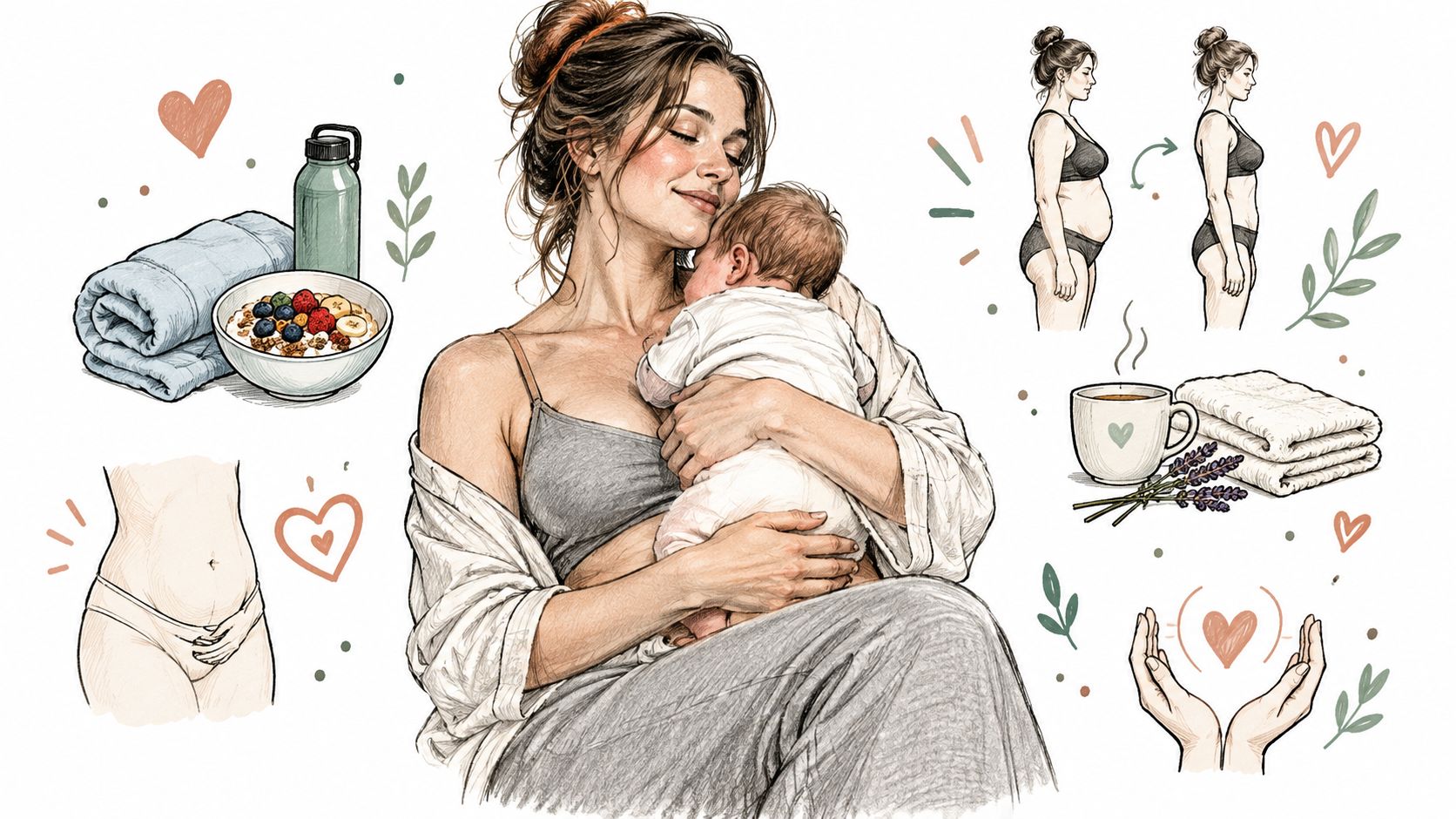
A second pregnancy may add new lines, deepen existing ones, or leave your skin without stretch marks. None of these outcomes shows how well you cared for yourself. Marks record physical growth, not your health, attractiveness, or ability as a mother.
Keep your routine simple, follow your maternity team's advice about healthy weight gain, and allow time for postpartum recovery. The Happy Bump Co offers bump-focused care to nourish and comfort changing skin during pregnancy and beyond. Visit The Happy Bump Co to choose a simple routine for your second pregnancy and postpartum recovery.